
NLNG Targets 2027 Start-Up for $10 Billion Train 7 Project
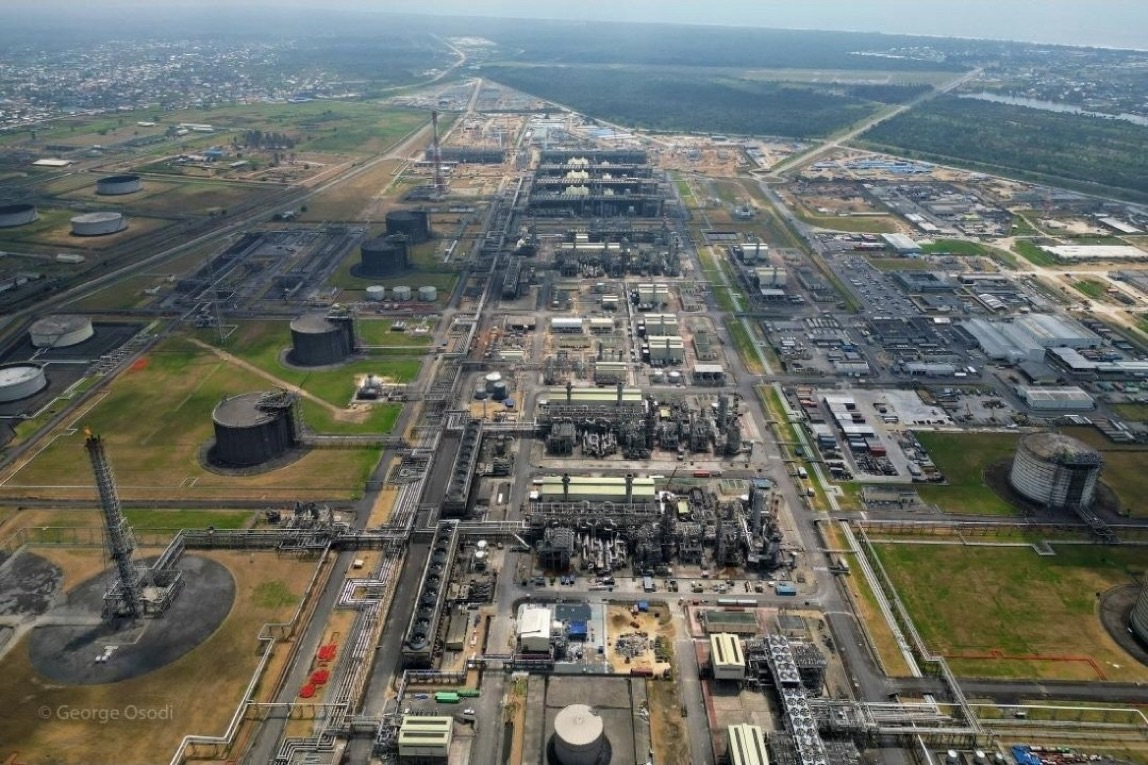
PORT HARCOURT, Rivers State — September 15, 2026: Nigeria LNG Limited (NLNG) is targeting the end of 2027 for the start-up of its Train 7 expansion project, a major investment expected to increase the company’s liquefied natural gas production capacity and strengthen Nigeria’s position in the global LNG market.
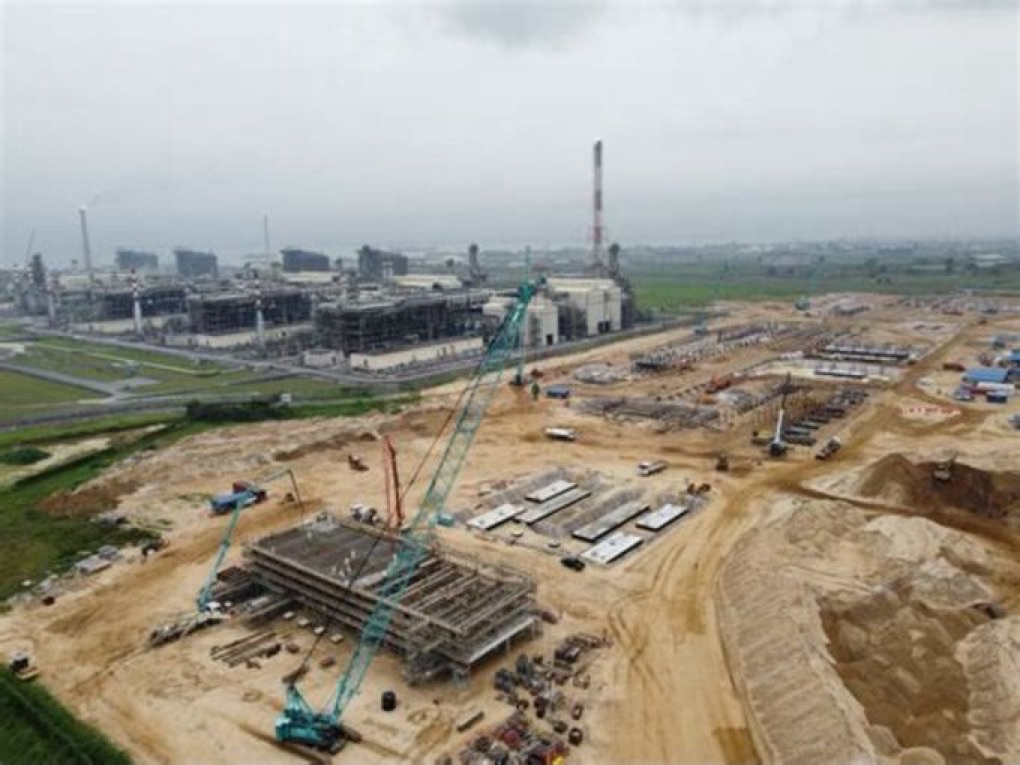
The project is being developed at NLNG’s Bonny Island facility in Rivers State. NLNG says Train 7 will increase its production capacity by 35%, from 22 million tonnes per annum to 30 million tonnes per annum.
Project Expected to Expand LNG Capacity
The Train 7 project is a major expansion of NLNG’s existing six-train facility, which has been operating since the company began production in 1999.
The Final Investment Decision for Train 7 was taken in December 2019, while the Engineering, Procurement and Construction contract was awarded in May 2020 to the SCD JV Consortium, comprising affiliates of Saipem, Chiyoda and Daewoo.
NLNG currently describes the project as progressing steadily, with more than 80% of construction completed and more than 70 million safe man-hours recorded. The company says the project is creating thousands of jobs and supporting local-content opportunities.
Jobs and Business Opportunities
For Nigerians, the project’s potential impact extends beyond LNG production.
Construction and related activities can create opportunities for engineers, technicians, drivers, contractors and other skilled and support workers. Local suppliers and service providers can also benefit from demand generated by the large-scale project.
NLNG says local content is a priority within Train 7 and that the project is intended to contribute to skills development, wealth creation and economic opportunities, particularly in the Niger Delta.
The company also maintains commercial opportunities for Nigerian businesses and vendors across areas connected to its operations and supply chain.
Potential Foreign Exchange and Government Revenue
An expansion of LNG production could also strengthen Nigeria’s export capacity and increase the volume of gas available for international markets.
Higher LNG exports have the potential to generate additional foreign-exchange earnings for the country. Increased economic activity and revenues associated with the gas sector could also support government finances.
However, the effect on the naira and public revenue will depend on several factors, including international LNG prices, production levels, operating costs, fiscal arrangements and broader foreign-exchange conditions.
What It Means for Households
The completion of Train 7 does not automatically mean lower prices for cooking gas, electricity or food.
While NLNG produces LNG for international markets and LPG for domestic use, the prices consumers pay are influenced by several factors across the energy and wider economy.
For households, the more immediate question will therefore be whether the investment produces sustained employment, stronger foreign-exchange inflows, greater local business activity and improved government capacity to invest in infrastructure and public services.