
NIGERIA SHOWCASES DIGITAL PROGRESS AT UNGA 81
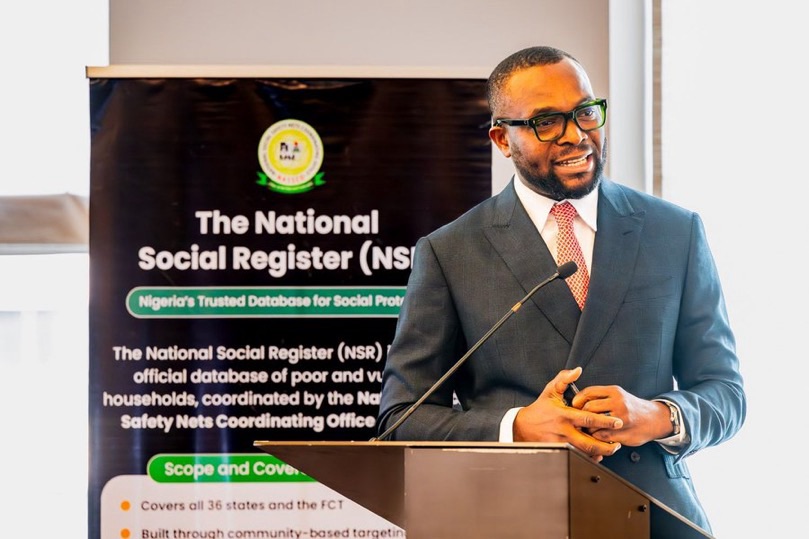
Nigeria has used the 81st United Nations General Assembly (UNGA 81) in New York to highlight its growing digital economy and efforts to expand digital infrastructure, artificial intelligence, skills development and technology-driven investment.
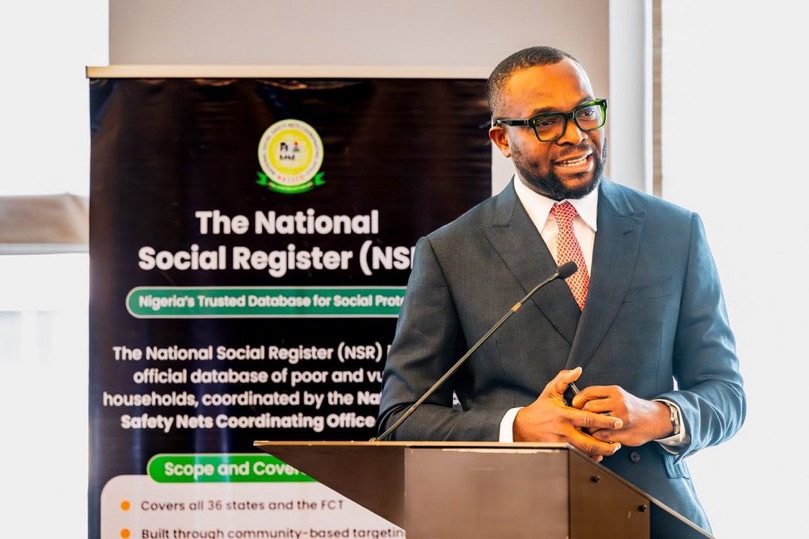
At a Nigeria Digital Economy side event held on the margins of UNGA 81, Minister of Communications, Innovation and Digital Economy, Dr Bosun Tijani, presented recent initiatives aimed at strengthening Nigeria’s digital ecosystem and attracting investment into digital infrastructure.
One of the major initiatives highlighted was Project Bridge, formally known as Building Resilient Digital Infrastructure for Growth. The project is designed to expand Nigeria’s fibre-optic infrastructure and improve connectivity across the country.
The Federal Government’s plan is to deploy at least 90,000 kilometres of fibre-optic cables, creating a stronger national digital backbone and extending reliable connectivity to underserved areas. The infrastructure is also expected to provide opportunities for neighbouring landlocked countries to access international internet capacity through Nigeria.
The World Bank has identified significant economic opportunities associated with expanding Nigeria’s fibre-optic infrastructure, including potential job creation and increased government revenue.
Nigeria also used the global platform to emphasise the importance of developing a workforce capable of participating in the digital economy.
At UNGA-related discussions, NITDA Director-General Kashifu Inuwa Abdullahi called for a shift from simply training young people in digital skills to creating pathways that connect those skills to employment, entrepreneurship and businesses.
This focus complements the Federal Government’s broader effort to create opportunities for Nigerians to work for international companies without necessarily leaving the country.
The Federal Government has also moved its Digital Free Zones initiative towards implementation. The initiative is intended to make it easier for Nigerian technology and service companies to access global capital and markets while keeping their businesses and intellectual property in Nigeria.
The Presidency says the initiative will support jobs for Nigerians and encourage technology, finance and professional-service companies to establish and scale their operations from Nigeria. Itana, described by the government as Nigeria’s first Digital Free Zone, has already received licensing from NEPZA.
Artificial Intelligence and Innovation
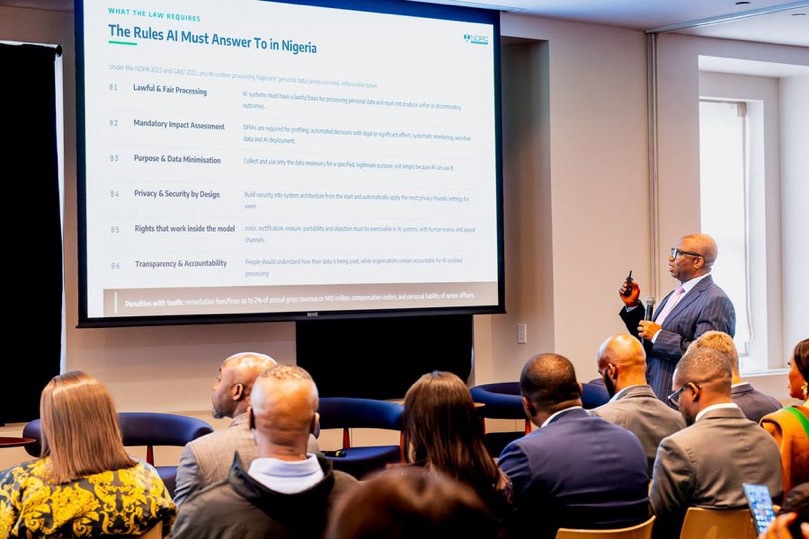
AI is another major component of Nigeria’s digital transformation agenda. Discussions surrounding Nigeria’s digital economy at UNGA 81 have placed emphasis on artificial intelligence, digital skills and infrastructure as interconnected areas required for sustainable technological development.
Nigeria has also previously outlined plans to develop its national AI ecosystem, including research and development and technologies capable of reflecting the country’s linguistic and cultural diversity.
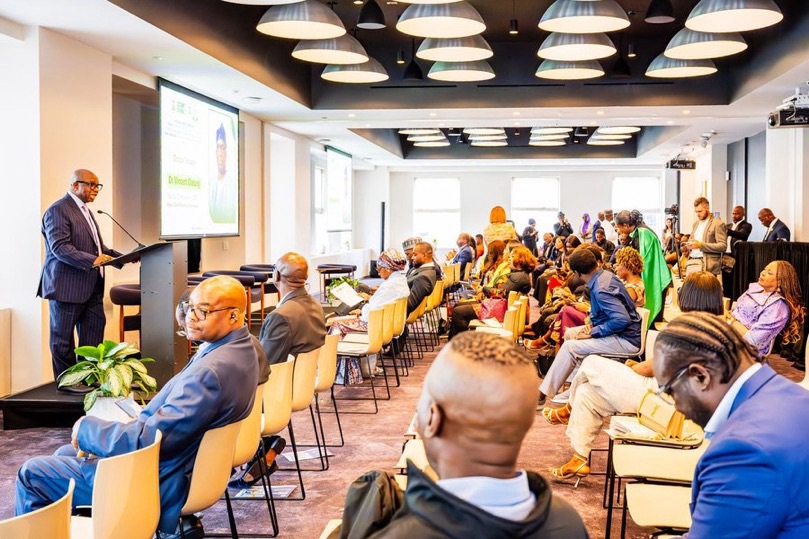
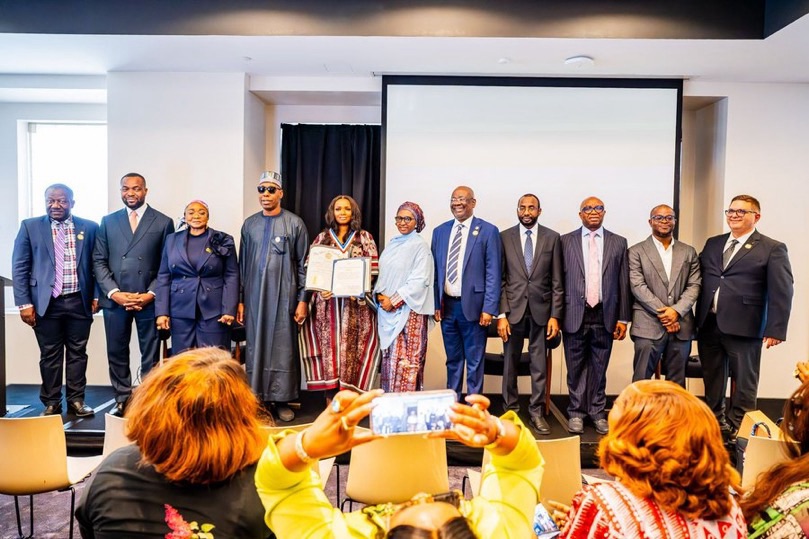
The UNGA platform has provided Nigeria with an opportunity to engage international investors, technology companies and development institutions on the country’s digital infrastructure needs.
According to reporting from the UNGA side event, Project Bridge had attracted substantial investment interest, with financing discussions involving institutions including the African Development Bank and World Bank Group.
The discussions also highlighted the importance of transparency, strong governance and a predictable business environment in attracting and retaining private investment in Nigeria’s digital sector.
Nigeria’s Broader Digital Ambition
Nigeria’s participation at UNGA 81 therefore goes beyond showcasing individual technology projects. It reflects a broader strategy centred on connectivity, digital skills, AI, innovation, investment and global digital trade.
The government’s stated objective is to ensure that Nigeria’s large young population can participate in the global digital economy while more of the economic value generated by Nigerian talent, businesses and intellectual property remains within the country.
With initiatives such as Project Bridge, Digital Free Zones and expanded digital-skills programmes, Nigeria is presenting itself at the UNGA as a country seeking to use digital infrastructure and technology as tools for economic development, employment creation and greater participation in the global digital economy.