
NNPC to Change Refinery Rehabilitation Model, Says Technical Partners Must Own a Stake
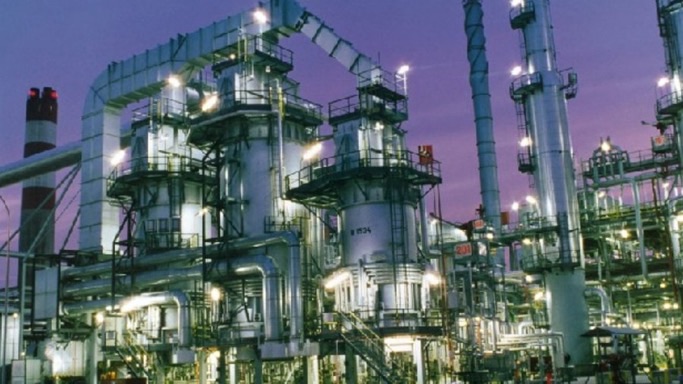
The Nigerian National Petroleum Company Limited (NNPC Ltd.) says it is changing its approach to rehabilitating the country’s state-owned refineries, with future technical partners expected to take equity stakes in the facilities and share responsibility for their long-term performance.
NNPC Group Chief Executive Officer, Bayo Ojulari, said the company would no longer rely solely on conventional rehabilitation contracts without a clear path to profitability. Under the proposed technical equity partnership model, companies with proven experience in operating refineries and petrochemical plants would invest in the assets and have a direct financial interest in their success.
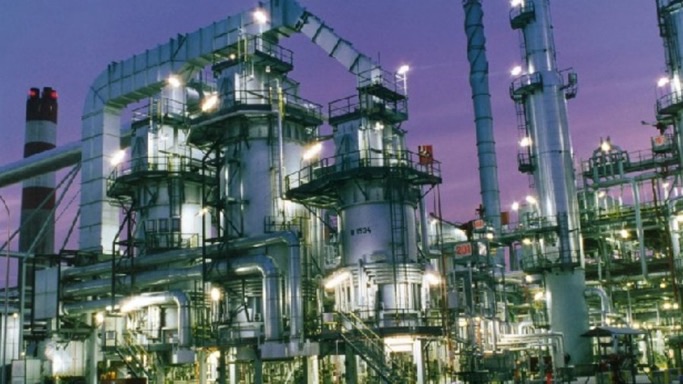
The move is intended to align the interests of NNPC and its technical partners. Rather than simply being paid to carry out rehabilitation work, partners would have a stake in the facilities, giving them a stronger incentive to ensure that the refineries are properly completed, efficiently operated and commercially sustainable.
The model is already being explored for the Port Harcourt and Warri refineries. In April 2026, NNPC signed a Memorandum of Understanding with Chinese companies Sanjiang Chemical Company Limited and Xinganchen (Fuzhou) Industrial Park Operation and Management Co. Ltd. for a potential technical equity partnership covering rehabilitation, operation and expansion of the two facilities.
According to NNPC, the Chinese companies are conducting technical studies of the refineries before submitting proposals. Ojulari said about 33 engineers from the Chinese side had been deployed to assess the facilities, after which commercial and technical negotiations would determine the structure of any final agreement. No final agreement had been signed as of September 29, 2026.
The proposed arrangement could also go beyond simply restoring refining capacity. NNPC’s earlier MoU provides for possible expansion, improved product quality, petrochemical development and gas-based industrial hubs around the refinery locations.
The shift follows years of rehabilitation expenditure on Nigeria’s state-owned refineries, which have struggled to maintain sustained commercial production. NNPC says the new approach is intended to ensure that future investments are tied to operational efficiency, accountability and profitability, rather than repeated rehabilitation without lasting output.
The Kaduna Refinery is also part of NNPC’s broader refinery strategy, although Ojulari said work had not yet commenced there. The company maintains that it remains committed to finding a commercially sustainable way to restore the facility.