
Nigeria, India Move to Rebuild Trade, Target $15bn
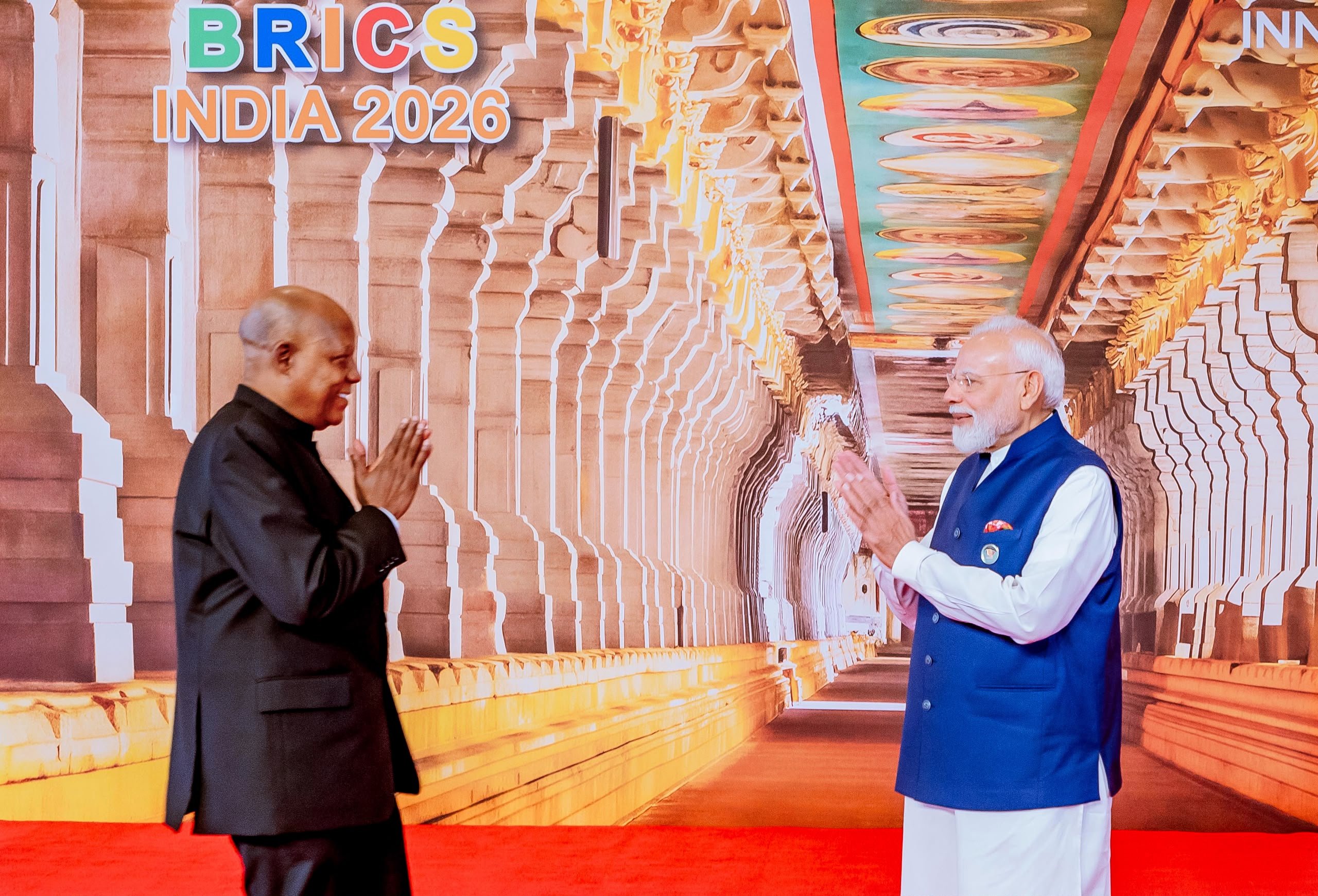
Nigeria and India have agreed to deepen their strategic economic relationship, with India expressing interest in renewing its purchases of Nigerian crude oil as both countries seek to rebuild bilateral trade towards $15 billion.
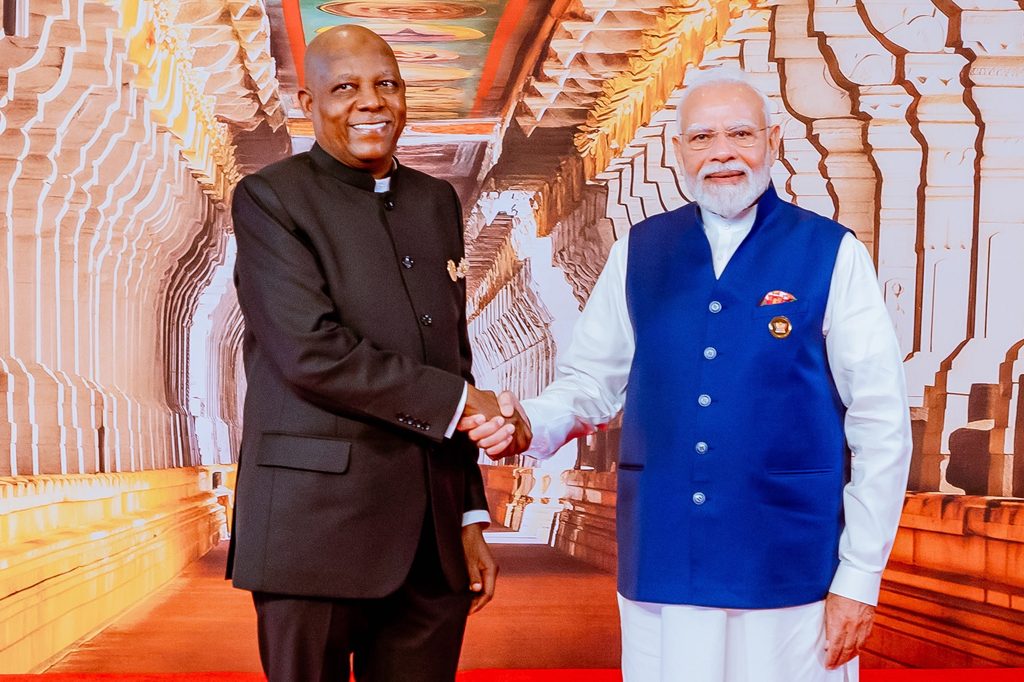
The commitment followed a bilateral meeting between Vice President Kashim Shettima and Indian Prime Minister Narendra Modi on the sidelines of the recently concluded BRICS Leaders’ Summit in New Delhi.
Trade Volume Declined After Crude Oil Purchases Fell
Bilateral trade between Nigeria and India reached about $14.95 billion in the 2021–2022 financial year, before declining significantly amid reduced Indian purchases of Nigerian crude oil.
Trade fell to approximately $7.13 billion in 2024–2025, but recovered to about $9 billion in 2025–2026, according to the information provided by the State House Correspondent, Abdurrahman Jibrila.
The latest discussions are therefore focused on restoring trade to previous levels while broadening the relationship beyond crude oil.
India’s renewed interest in Nigerian crude could provide a boost to bilateral commerce, given the historic importance of oil in Nigeria’s exports to the Indian market.
Nigeria to Consider Crude Oil Request
Vice President Shettima said Nigeria would examine India’s request for renewed crude oil purchases as part of the Federal Government’s broader efforts to attract investment and develop strategic economic partnerships.
He said the administration of President Bola Tinubu is focused on partnerships that can expand Nigeria’s productive capacity and strengthen economic growth.
The discussions between the two leaders also covered opportunities for greater cooperation in renewable and clean energy, electricity, healthcare, capacity building and financial technology, as well as other emerging sectors.
Broadening the Economic Partnership
The renewed engagement signals an effort by both countries to strengthen a longstanding economic relationship while reducing reliance on a single area of trade.
For Nigeria, expanded cooperation in energy, healthcare, technology and financial services could create opportunities for investment and knowledge transfer. For India, closer economic ties offer access to Nigeria’s energy resources and one of Africa’s largest consumer markets.
Prime Minister Modi also expressed appreciation for Nigeria’s hospitality towards the sizeable Indian community living and doing business in the country.
The proposed return towards $15 billion in bilateral trade would bring commerce between Nigeria and India closer to the level recorded before the recent decline. The outcome will depend on renewed crude oil purchases, increased investment and the ability of both countries to translate the latest commitments into broader commercial activity.