Federal Government Takes Steps to Eliminate Lead Poisoning in Nigeria
Abuja, Nigeria – September 25, 2025
The Federal Government of Nigeria, through the Federal Ministry of Health and Social Welfare, has taken a major step towards addressing the growing public health threat of lead poisoning with the inauguration of a National Interagency Working Group.
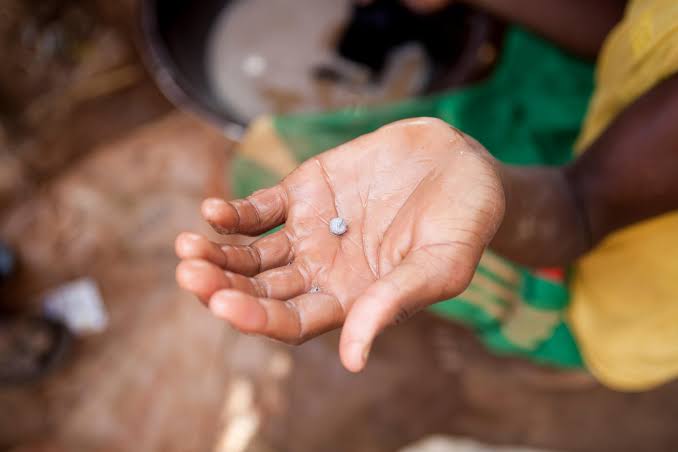
The initiative was formally launched during a high-level workshop held in Abuja to finalize and validate the Five-Year National Strategic Plan on Lead Poisoning Elimination. The plan outlines Nigeria’s roadmap to eliminating lead poisoning, particularly in vulnerable communities impacted by artisanal mining activities.
In collaboration with Médecins Sans Frontières (MSF), the Ministry has provided advanced laboratory equipment to support active surveillance, improve diagnostic capacity, and aid in soil remediation efforts in affected areas. Community education campaigns are also being launched to raise awareness of the dangers of lead exposure, especially among children.
Officials at the workshop emphasized the urgent need for a coordinated national response. “We cannot afford to ignore the devastating health consequences of lead poisoning, especially among our children. This interagency group will ensure every sector plays its part in eliminating this silent killer,” said a Ministry spokesperson.
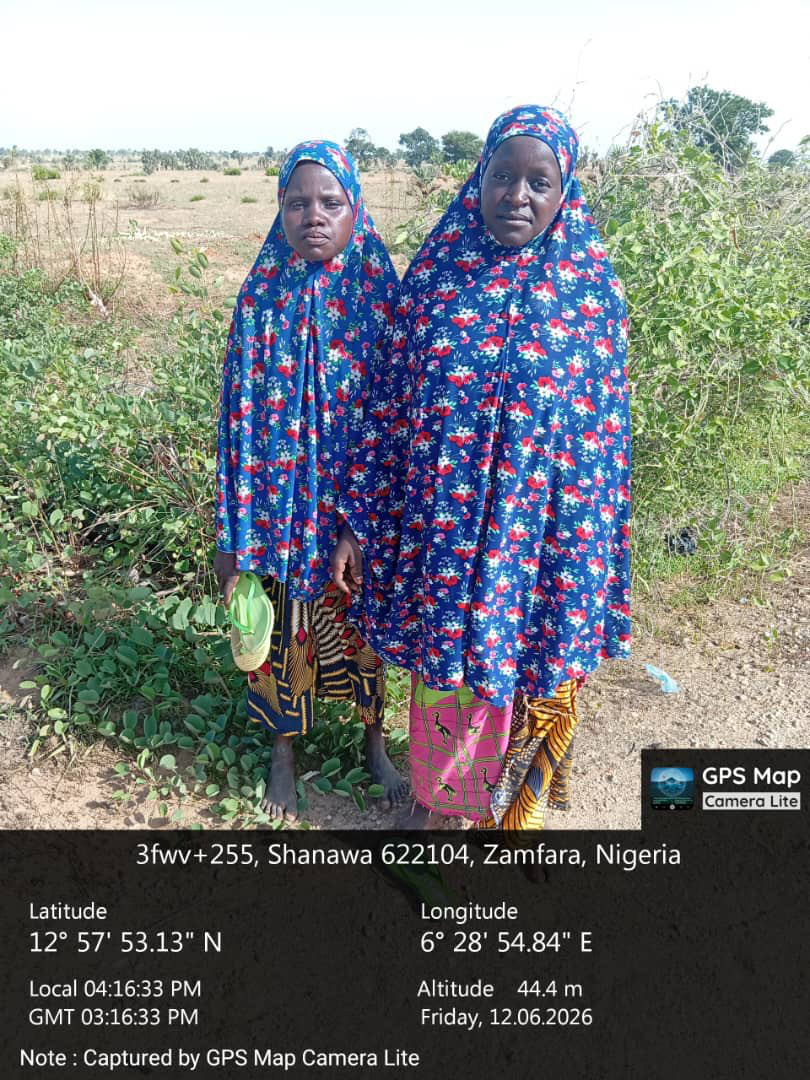
Nigeria has a history of tragic lead poisoning outbreaks. In 2010, an outbreak in Zamfara State claimed the lives of over 400 children and left many more with long-term disabilities. Another outbreak occurred in 2015 in Niger State, and most recently, in 2024, fresh cases were reported again in Zamfara and Sokoto States, raising renewed concern among health authorities and international partners.
The newly inaugurated working group is expected to drive multi-sectoral coordination, ensuring contributions from environmental, health, mining, and educational stakeholders in implementing the strategic plan.
As Nigeria moves toward lead poisoning elimination, the collaboration between government and partners like MSF represents a critical step in preventing further tragedies and protecting the health of future generations.