Enugu CP orders probe of alleged shooting at NDC secretariat, as joint security operatives disperse riotous party members at airport entrance


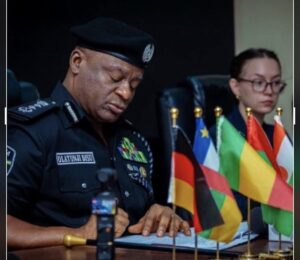
The Commissioner of Police in Enugu State has ordered an investigation into an alleged shooting incident at the National Democratic Congress (NDC) secretariat, following reports of unrest involving party members at the entrance to the airport.
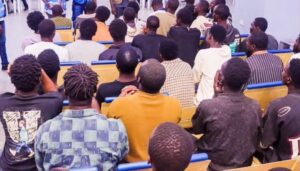
The development comes amid heightened security concerns after joint security operatives reportedly intervened to disperse party members described as riotous at the airport entrance.

According to the report, the police commissioner directed a probe into the alleged shooting to establish the circumstances surrounding the incident, identify those involved, and determine whether any laws were violated.
The investigation is expected to examine the events leading up to the reported shooting, including the conduct of individuals present at the scene and the actions taken by security personnel.
Meanwhile, joint security operatives moved in to disperse the agitated party members at the airport entrance in an effort to restore order and prevent the situation from escalating further.
The intervention highlights the role of security agencies in maintaining public order and ensuring the safety of residents and travellers, particularly in situations involving political gatherings and heightened tensions.
The police investigation is expected to provide further clarity on the incident and establish the facts surrounding the alleged shooting. However, details regarding possible casualties, arrests, the identities of those involved, and the precise circumstances that triggered the unrest were not provided in the available information.
The police are expected to communicate further findings as the investigation progresses.