
OmoOwo Takes Thank You Tour to Ijebu Igbo, Ago Iwoye and Awa Ilaporu

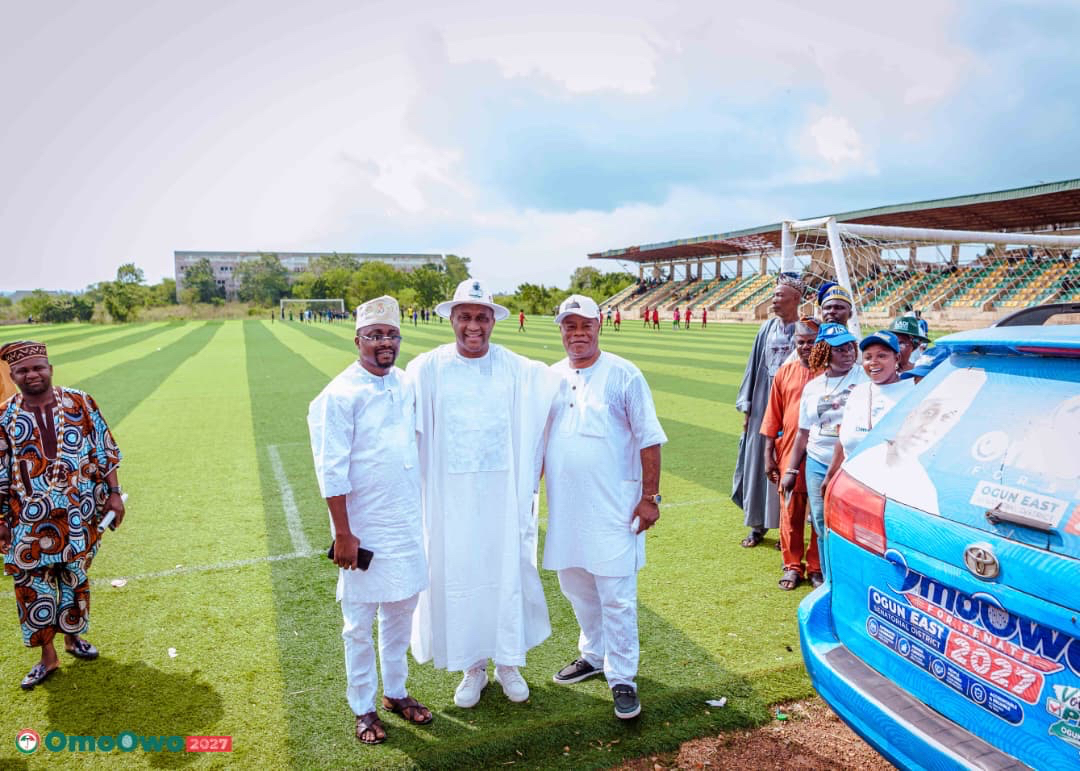
Alhaji Abdul-Hameed Femi Omotayo, popularly known as OmoOwo and the Peoples Democratic Party (PDP) senatorial candidate for Ogun East in the 2027 elections, has embarked on a thank-you tour covering Ijebu Igbo, Ago Iwoye and Awa Ilaporu to engage community leaders, residents and stakeholder groups.
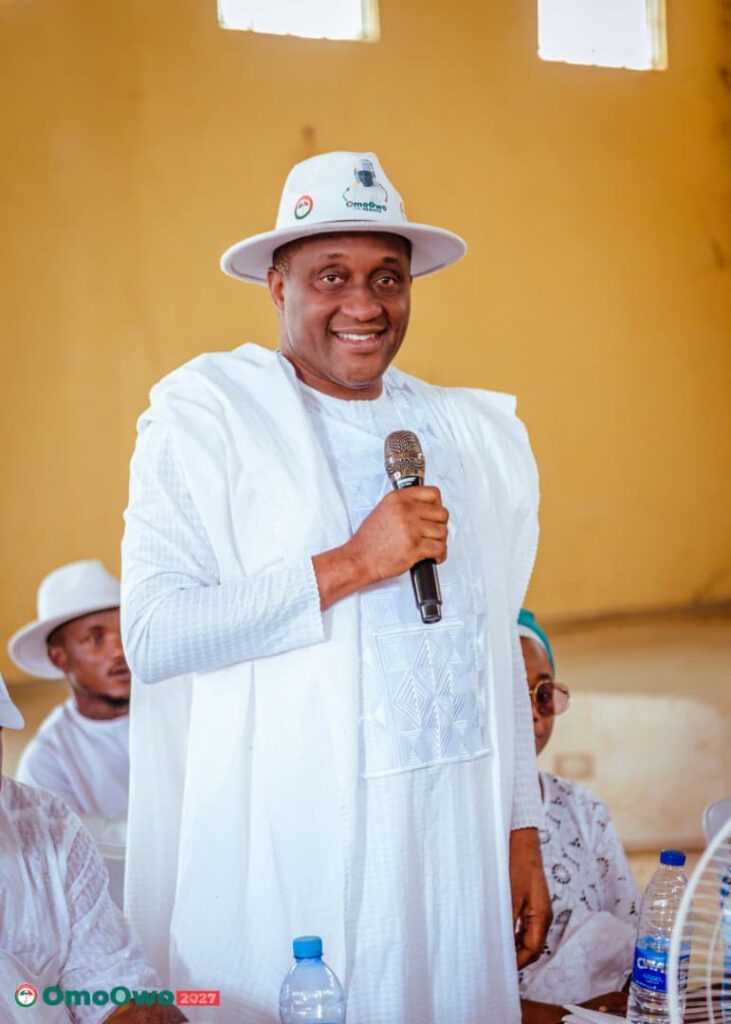
The tour provided an opportunity for Omotayo and his delegation to appreciate community members for their engagement and strengthen relationships with different groups across the senatorial district.
He was accompanied by Hon. Adekoya Adesegun Abdel-Majid, popularly known as Attacker, and Engr. Ayinde Awobadejo, the Ogun East PDP Senatorial District Chairman.
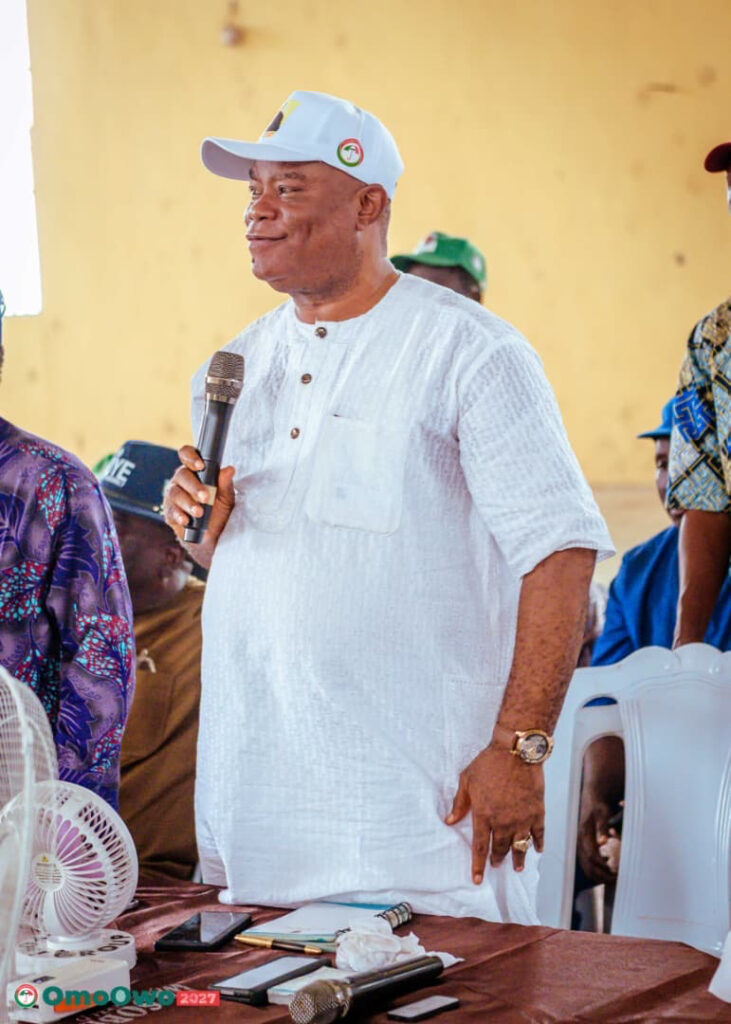
The engagements began at the basketball court of the Ijebu Ode Mini Stadium, built by Hon. Attacker, where the delegation met with members of the Council of Olorituns and Egbe Olojas.
Also present were Hon. Agbolade Oladapo Olayemi, popularly known as Diplomacy, the PDP candidate for Ijebu North State Constituency I, and Hon. Moboloaji Jubril Martins-Kuye, the party’s candidate for Ijebu North State Constituency II and son of the late Senator Jubril Martins Kuye.
Engagements in Ago Iwoye
In Ago Iwoye, the delegation met with representatives of Arewa, Igede, Hausa and Oke Ogun communities, alongside students and Community Development Associations.
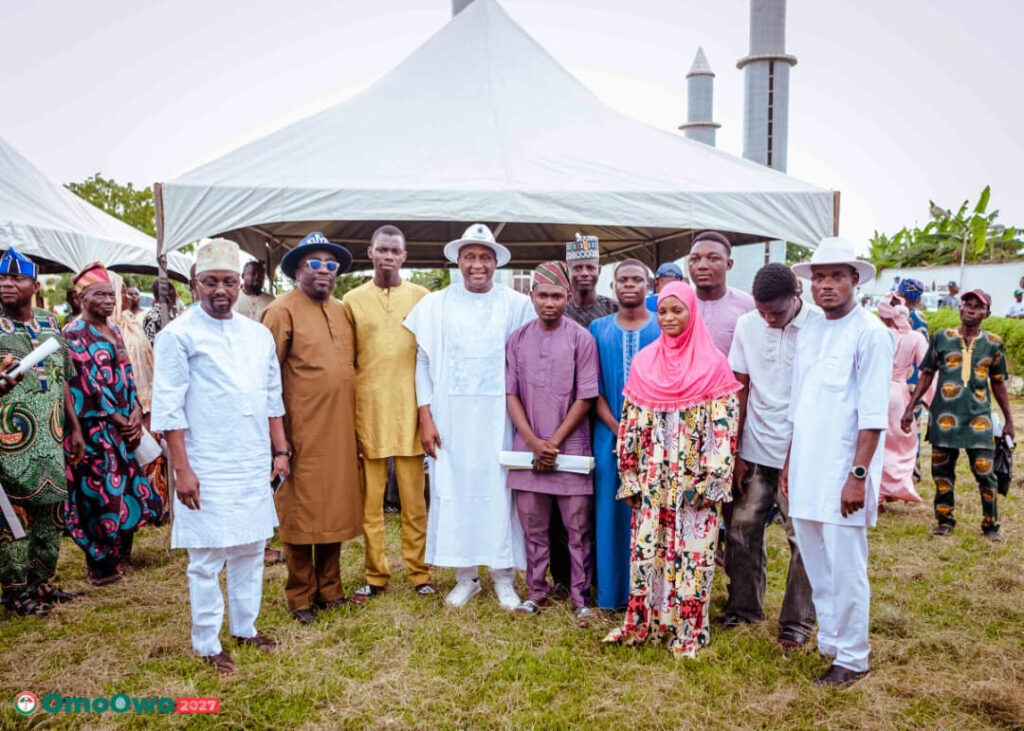
The meeting took place at the residence of the late Senator Jubril Martins Kuye and provided an opportunity for interaction with diverse community groups.
The engagement formed part of the tour’s broader focus on maintaining relationships with residents and community stakeholders across Ogun East.
Visit to Awa Ilaporu
The delegation subsequently proceeded to Awa Ilaporu, where it held meetings with non-indigenous communities and Olorituns.
The team also visited the Orimolusi Palace before concluding the day’s activities at the PDP Party Secretariat.
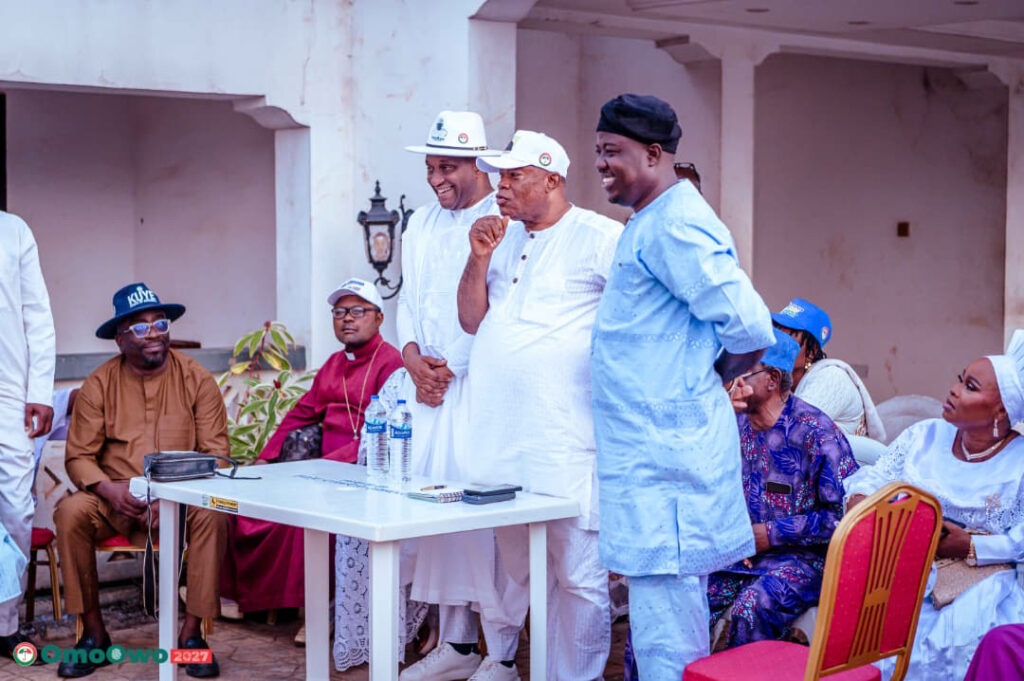
The series of meetings brought the delegation into contact with traditional and community leaders, political stakeholders and representatives of different groups.
The tour underscored the campaign’s stated commitment to maintaining engagement with communities across Ogun East ahead of the 2027 general elections.
Through the visits, OmoOwo and his team sought to express appreciation to community leaders and residents while strengthening existing relationships across Ijebu Igbo, Ago Iwoye and Awa Ilaporu.
The campaign continues to promote its message: “OmoOwo listens. OmoOwo acts. OmoOwo delivers.”