Tinubu Scraps Recruitment Waiver Requirement for Federal Universities

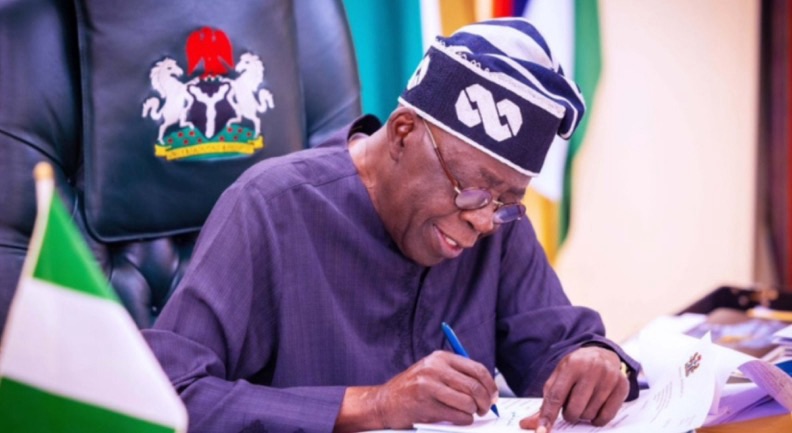
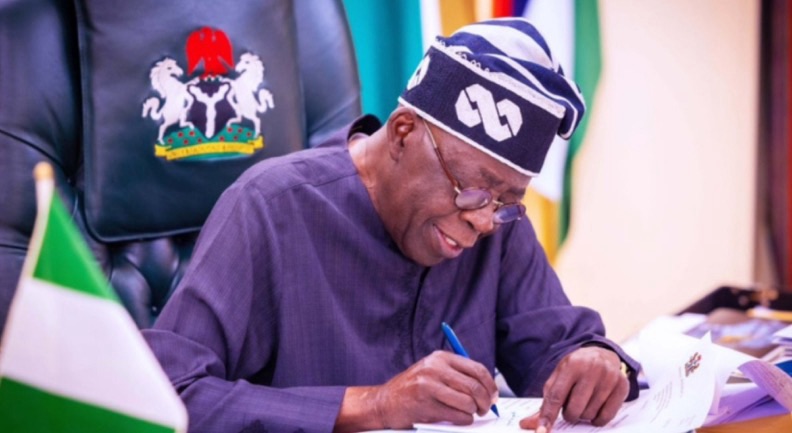
President Bola Ahmed Tinubu has exempted federal universities in Nigeria from the requirement to obtain recruitment waivers from the Office of the Head of the Civil Service of the Federation (OHCSF), in a move aimed at strengthening institutional autonomy and improving staff recruitment.
The President announced the policy change during the maiden convocation ceremony of the Federal University of Health Sciences, Azare (FUHSA), in Bauchi State, on Saturday, October 17, 2026. He was represented at the event by the Executive Secretary of the Tertiary Education Trust Fund (TETFund), Arc. Sonny Echono.
Under the new arrangement, the Federal Ministry of Education and university governing councils will exercise their responsibilities in making recruitment decisions without requiring the additional approval previously sought through recruitment waivers from the OHCSF.
The reform is expected to help universities respond more efficiently to staffing needs, fill vacant positions and recruit qualified academic and non-academic personnel. It also forms part of the Federal Government’s broader efforts to strengthen university autonomy and improve the administration of tertiary institutions.
Tinubu explained that the decision was captured in recent agreements between the Federal Government and university staff unions. He said the measure would enable institutions to address legitimate manpower requirements more effectively and create a better environment for teaching, research, innovation and service delivery.
In a related development, the President disclosed that the Federal Government was working to migrate tertiary institutions’ staff from the Integrated Personnel and Payroll Information System (IPPIS) to the Government Integrated Financial Management Information System (GIFMIS).
According to the government, the proposed transition is intended to improve payroll efficiency, strengthen transparency and accountability, ensure timely and accurate salary payments, and accommodate the operational needs of universities and other tertiary institutions.
The President also reaffirmed his administration’s commitment to improving infrastructure, research funding and staff welfare in the education sector.
At the convocation ceremony, he disclosed that FUHSA had received an initial intervention of ₦8 billion through TETFund to support its establishment and development. He also announced that ₦10 billion had been provided for the National Research Fund in the 2026 fiscal year.
The government said further support would be channelled towards infrastructure, including roads, lecture halls and laboratories, through TETFund interventions and provisions in the 2026 national budget.
The recruitment policy change represents a significant administrative development for Nigeria’s federal universities. Its impact will depend on how effectively university authorities use their expanded recruitment responsibilities to address staffing shortages, attract qualified professionals and improve the quality of teaching and research.
The reform is also expected to renew discussions about university autonomy, institutional accountability and the need for transparent, merit-based recruitment across Nigeria’s tertiary education system.