Tinubu Seeks House Approval For $7.7bn External Borrowing

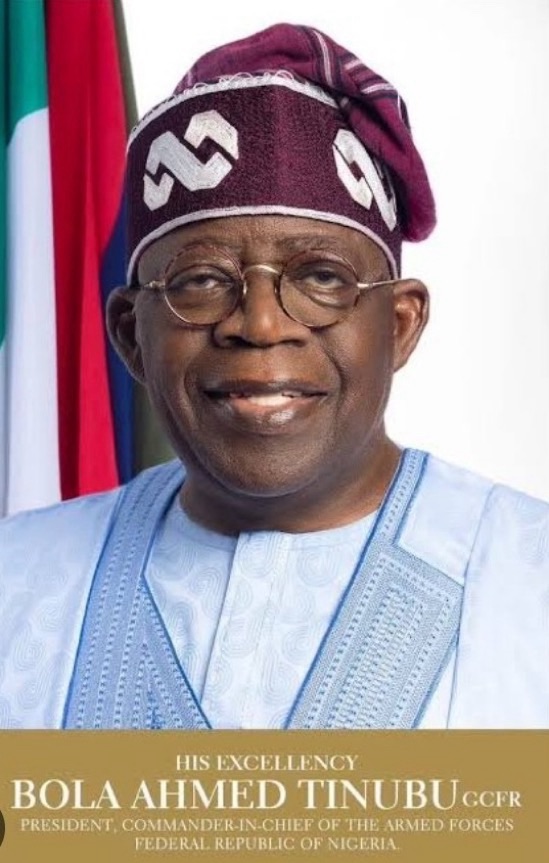
President Bola Ahmed Tinubu has formally requested the approval of the House of Representatives to implement a $7.7 billion external borrowing plan aimed at financing part of the Federal Government’s 2026 budget deficit.
The request was conveyed in a letter addressed to the Speaker of the House of Representatives, Tajudeen Abbas, and read during Wednesday’s plenary session, November 11, 2026.
The proposed borrowing, valued at approximately ₦10.79 trillion using the 2026 budget exchange rate of ₦1,400 to one dollar, represents the external financing component of the borrowing approved under the 2026 Appropriation Act.
According to the President, the 2026 budget provides for total new borrowings of ₦29.22 trillion, comprising approximately ₦18.28 trillion in domestic borrowing and ₦10.79 trillion in external financing.
Tinubu explained that the funds would be raised through several financing channels, including Eurobond issuance, multilateral and bilateral institutions, commercial lending facilities, syndicated loans and other international financing arrangements.
He indicated that greater emphasis would be placed on Eurobond issuance because of its relatively faster processing period and capacity to generate substantial funds, depending on prevailing market conditions.
The President further explained that the proposed funds would support projects and programmes across critical sectors, including defence and security, transportation, agriculture, power, education and healthcare.
He also noted that the borrowing arrangement would be implemented in accordance with Sections 21(1) and 27(1) of the Debt Management Office Establishment Act, 2003, which require legislative approval for the terms and conditions of external loans.
Following the presentation of the request, the House referred the matter to the relevant committees for further legislative consideration.
The proposed borrowing comes amid ongoing discussions about Nigeria’s rising public debt, debt-servicing obligations and the Federal Government’s reliance on external financing to fund infrastructure and development programmes.
The development has renewed attention on the importance of legislative oversight, responsible borrowing and ensuring that borrowed funds are channelled towards projects capable of delivering measurable economic benefits to Nigerians.