ASUU Opens Up to Senate on Day Five of Warning Strike
Abuja , Friday, October 18, 2025
As the two-week warning strike by the Academic Staff Union of Universities (ASUU) enters its fifth day, the union has engaged the Nigerian Senate in critical discussions, restating its core demands centered on adequate funding for the nation’s public universities.
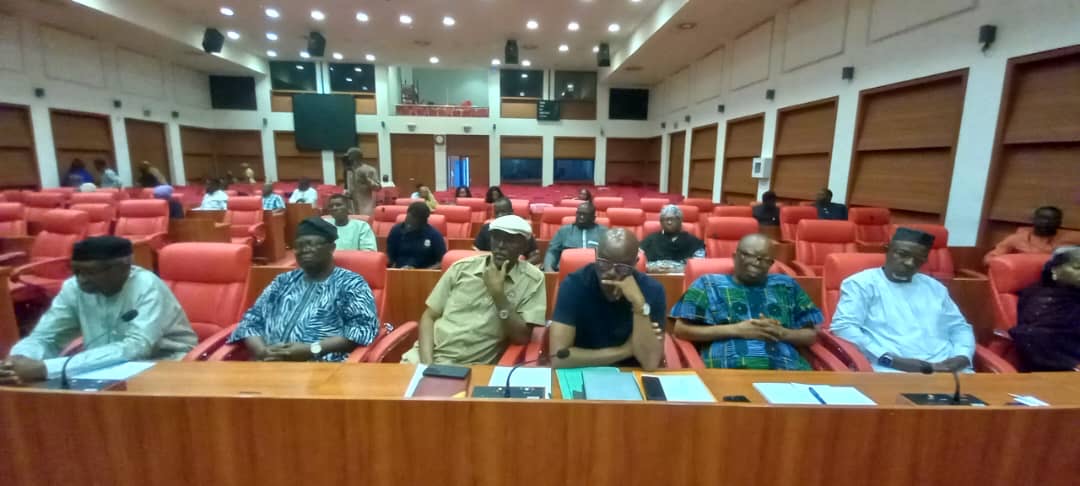
In a meeting held at the National Assembly complex in Abuja on Friday, October 18, 2025, ASUU officials emphasized the need for improved government investment in higher education, highlighting issues such as poor infrastructure, limited funding for academic research, and what it describes as the “lowest remuneration for university staff across Africa.”
The ongoing industrial action, which commenced on Monday, October 13, stems from two major concerns. Firstly, ASUU has raised alarm over alleged plans by the Minister of the Federal Capital Territory (FCT) to appropriate a portion of land belonging to the University of Abuja, a move the union claims undermines the institution’s autonomy and future development.
Secondly, the union is protesting the recent decision by the Federal Ministry of Education to reallocate part of the ₦50 billion initially earmarked for universities, sharing it with polytechnics and colleges of education. While ASUU acknowledges the importance of other tertiary institutions, it insists that diverting funds without addressing existing deficits in universities is counterproductive.
Despite the ongoing dispute, ASUU took time during the Senate engagement to commend President Bola Ahmed Tinubu for approving ₦150 billion in funding for Nigerian universities. The union also welcomed the President’s directive placing a seven-year moratorium on the creation of new public tertiary institutions — a move it believes will help consolidate resources and improve existing facilities.
As discussions continue, lawmakers are urging both ASUU and relevant government agencies to work towards a mutually beneficial resolution. The Senate stressed the need to prioritize the education sector and prevent further disruptions to academic calendars across the country.
Students and parents alike remain anxious as academic activities in public universities remain suspended, with hopes that the ongoing negotiations will yield a swift and lasting resolution before the end of the two-week warning strike.