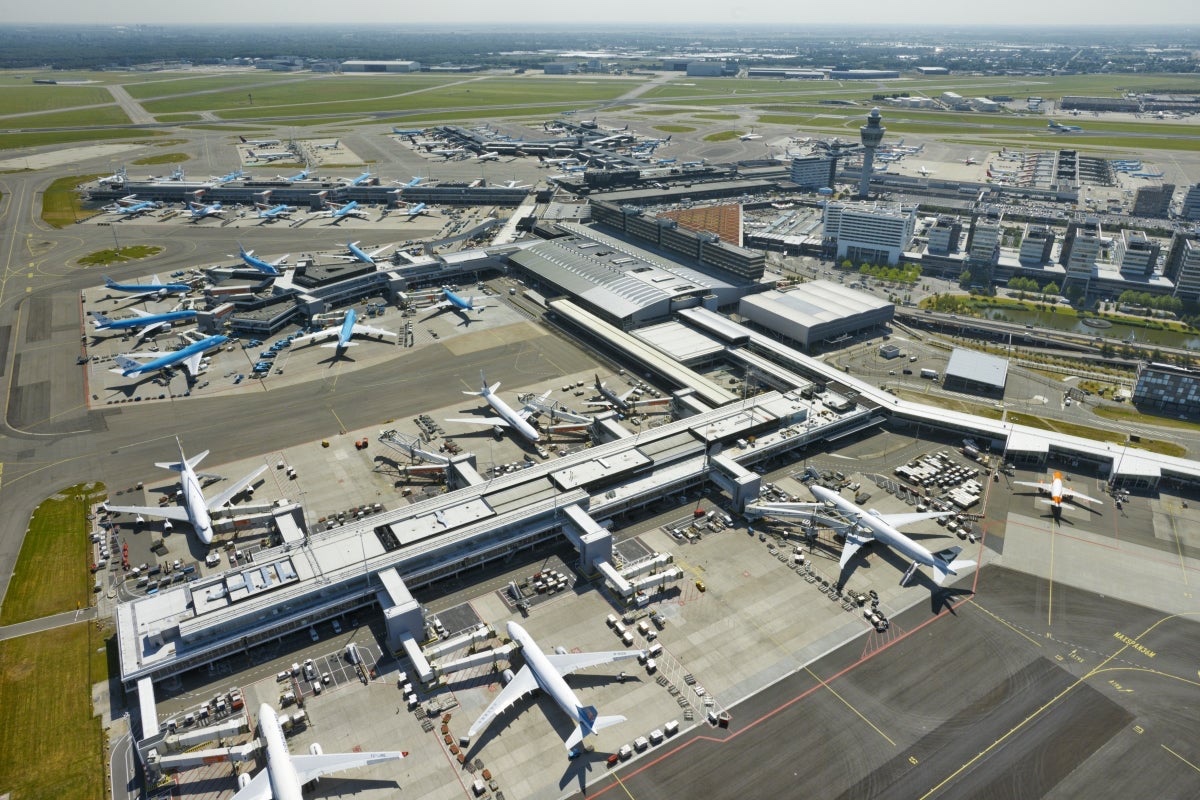
Cyber Attack Disrupts Major European Airport.
Brussels, London, Berlin . September 20, 2025
On Saturday, September 20, 2025, several major airports across Europe—including Brussels Airport, London’s Heathrow, and Berlin’s Brandenburg—experienced significant disruptions after a cyber‑related incident affected key check‑in and baggage drop systems.
The problem stemmed from Collins Aerospace’s MUSE software platform, which many airlines and airports rely on for electronic check‑in, baggage drop, and boarding pass print‑outs. Passenger check‑in counters and automated baggage systems were compromised, resulting in a shift to manual procedures.
Extent of the Disruption
• Brussels Airport was among the hardest hit. On Saturday, at least nine flights were cancelled, four were diverted, and many others delayed by at least an hour.
• Berlin saw delays and longer waiting times at check‑in, though cancellations were comparatively fewer. The airport website warned of slower processing as automated systems were taken offline.
• Heathrow also faced delays and congestion. While cancellations were limited, many flights were delayed, especially those relying on the affected systems. Some staff were relocated to assist with manual check‑ins.
Response & Mitigation
Collins Aerospace officially confirmed a “cyber‑related disruption” to its MUSE software at select airports. The company noted that while electronic check‑in and baggage drop were impacted, operations could be maintained using manual check‑in and baggage tags.
Airports urged passengers to verify flight status before traveling. Alternative options, such as online or self‑service check‑ins, remained available in many cases. Authorities are investigating the incident, but as of the latest reports, no definitive attribution of blame had been made.
Implications & Observations
• This event highlights how reliant modern air travel is on centralized digital systems, especially from third‑party providers. A failure or attack of this kind can cascade rapidly across many airports.
• Even when electronic systems are compromised, airports and airlines were able to fall back on manual procedures to lessen the impact, though with greater inconvenience for passengers.
• The need for robust cybersecurity, redundancy, and better alert systems has become ever more urgent in aviation.