Nigeria Welcomes G-24 Delegates as Wale Edun Sets Tone for Global Economic Talks
Abuja, Nigeria, February 20, 2026
Nigeria is hosting international delegates in Abuja as activities commence for the 2026 Technical Meeting of the Intergovernmental Group of Twenty-Four (G-24), placing the country at the centre of high-level discussions on development finance, debt sustainability, and growth across emerging economies.
The gathering, which brings together finance ministers, central bank governors, and senior officials from developing nations, signals Nigeria’s expanding role in shaping conversations around global economic reform and cooperation.
High-Level Engagement in Abuja
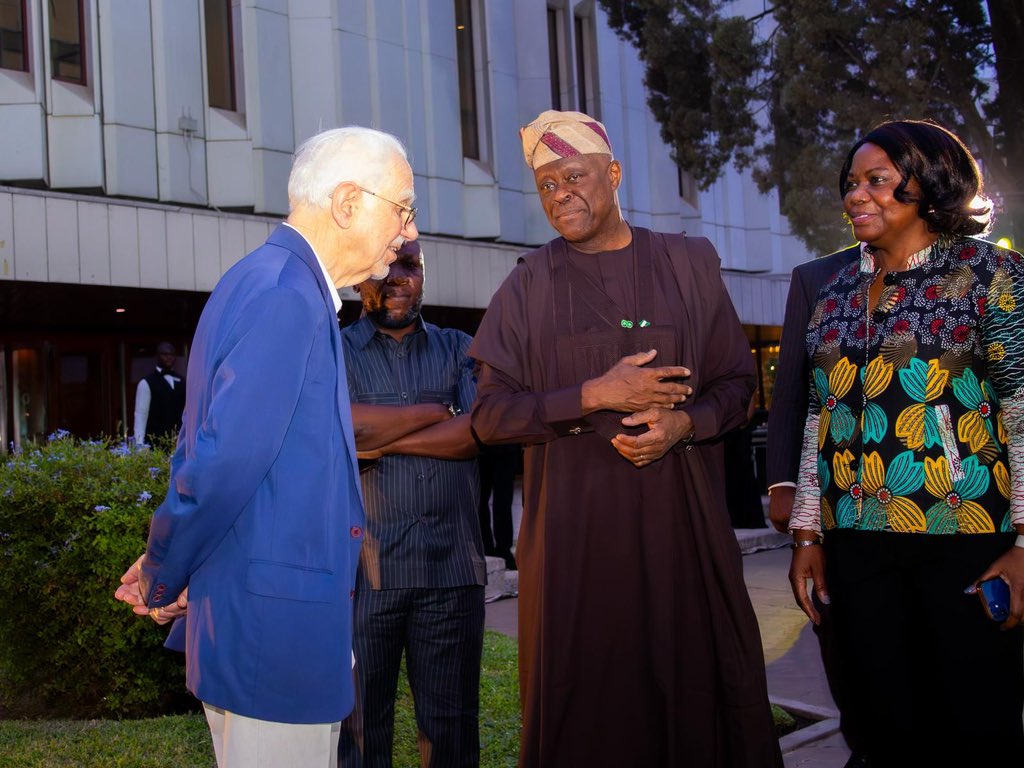
At Wednesday evening’s welcome reception, , Honourable Minister of Finance and Coordinating Minister of the Economy, thanked participants for traveling from across the world and described the gathering as the beginning of an intensive technical engagement ahead of the G-24 plenary.
He emphasized that the discussions are taking place at a pivotal moment for developing economies. According to the Minister, tighter global financial conditions, evolving trade patterns, and shifting geopolitical dynamics have increased the urgency for coordinated policy responses among emerging markets.
Edun noted that the technical sessions would focus on practical strategies to improve access to capital, strengthen public sector financing, and expand sustainable investment flows. These priorities, he said, are directly aligned with Nigeria’s domestic reform agenda, including infrastructure development, macroeconomic stabilization, and large-scale job creation.
A Critical Moment for Developing Economies
The 2026 Technical Meeting of the G-24 comes as many developing countries confront rising debt servicing costs, constrained fiscal space, and reduced concessional financing. Delegates are expected to deliberate on mechanisms to enhance debt sustainability frameworks, reform multilateral development financing, and advocate for fairer representation within global financial institutions.
For Nigeria, hosting the meeting is both symbolic and strategic. It underscores the country’s commitment to multilateral cooperation and its intention to play a constructive role in advancing a more resilient and inclusive global financial system.
Growing International Confidence
By convening the G-24 technical sessions in Abuja, Nigeria signals growing international confidence in its economic direction and reform trajectory. The country has positioned itself as a leading voice among emerging markets, championing policies that encourage private investment, fiscal responsibility, and structural transformation.
As technical deliberations progress toward the G-24 plenary, expectations are high that the outcomes will influence broader conversations within the international financial architecture, shaping how developing nations access funding, manage debt burdens, and pursue sustainable growth in an increasingly complex global environment.