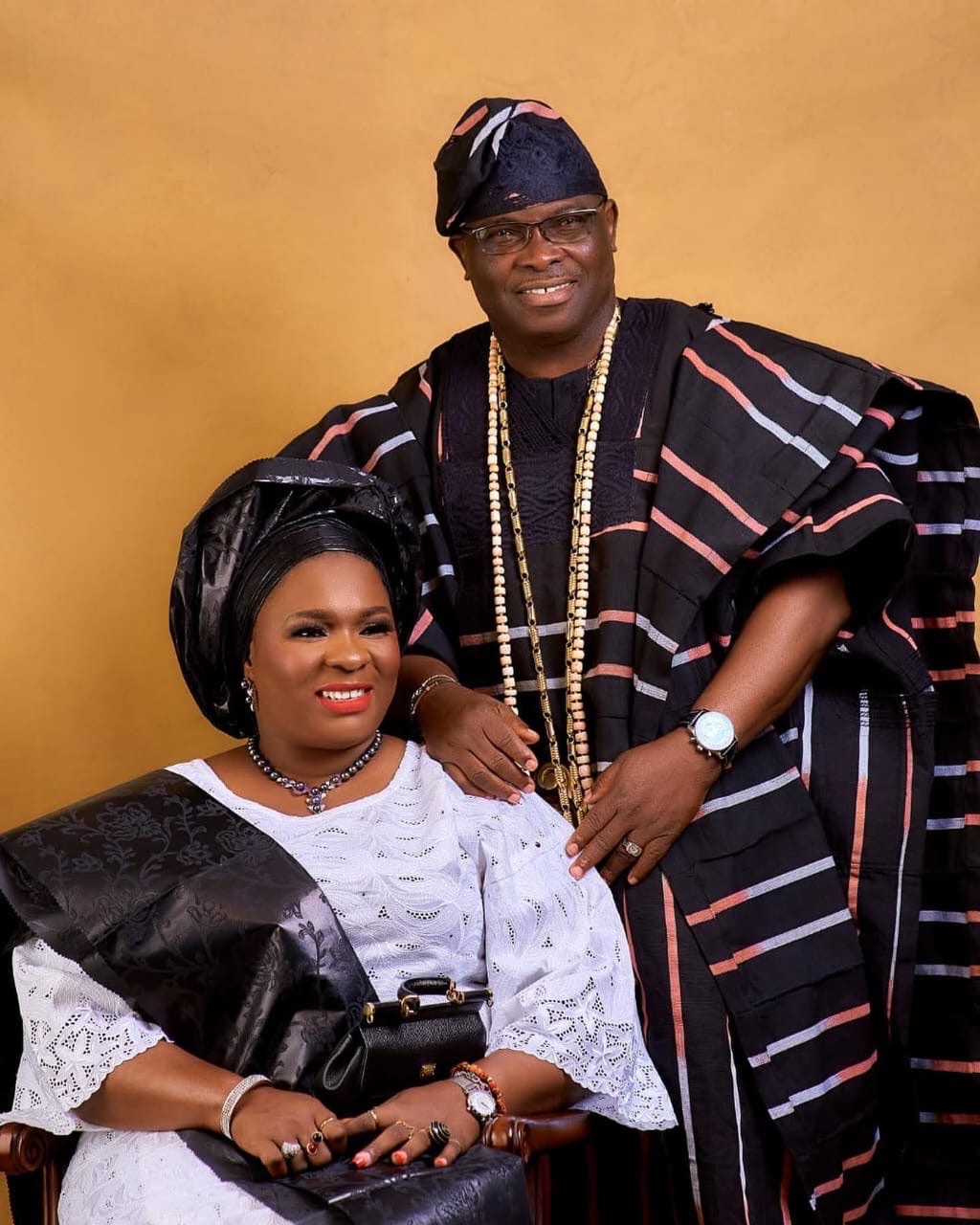
Why Hon. Otunba Ademorin Aliu Kuye Is a Qualified and Credible Awujale Candidate
As deliberations continue over the Awujale succession, attention across Ijebu land remains firmly on tradition, lineage, and credibility. With the rites yet to be concluded, elders and stakeholders have repeatedly called for patience, caution, and strict respect for custom, warning against premature claims and media-driven narratives.

Within this atmosphere, Hon. Otunba Ademorin Aliu Kuye has drawn notable attention as a contender whose profile reflects both royal heritage and public service. A prince of Ijebu-Ode and the Otunba Ajana of Ijebuland, his emergence has reopened discussions on how ancestry, experience, and character shape eligibility for the revered Awujale stool, a throne governed by history, order, and conscience rather than noise or haste.
Royal Lineage and Traditional Standing
Hon. Otunba Ademorin Aliu Kuye stands firmly within the Fusengbuwa Royal Dynasty of Ijebu-Ode, one of the recognized ruling houses eligible for the Awujale stool. His ancestry traces directly through the Jadiara and Erelu Okutuwo lineage, a branch long acknowledged within Fusengbuwa history and royal records. Elders of the dynasty recognize this bloodline through generations of service, leadership, and loyalty to Ijebu land.


Ijebu tradition defines royalty by ancestry and accepted lineage, not by modern boundaries or political roles. Both paternal and maternal royal descent hold weight once traced, verified, and accepted within the ruling house. On this basis, Hon. Kuye’s status as a prince of Ijebu-Ode stands established within custom.
His conferment as Otunba Ajana of Ijebuland by the late Awujale, Oba Sikiru Kayode Adetona, GCON, further affirms his traditional standing. Such titles reflect trust, service, and recognition within the royal institution, reinforcing his place within the sacred order guiding succession in Ijebu land.
Professional and Public Service Record
Hon. Otunba Ademorin Aliu Kuye brings decades of tested service across law, governance, and public administration. His record reflects discipline, institutional knowledge, and steady leadership.

He qualified as a legal practitioner over 35 years ago and built a respected career grounded in justice, procedure, and public order. He later served as Company Secretary of Vigilant Insurance Company Limited and became Principal Partner at Adekanola, Kuye and Co., where he handled complex legal and corporate matters.
In public service, he served as Executive Secretary and later Executive Chairman of Somolu Local Government between 2003 and 2008. His tenure focused on grassroots administration, revenue management, and community stability.
From 2011 to 2015, he served as Honourable Commissioner for Local Government and Chieftaincy Affairs, overseeing traditional institutions and local councils across the state. He later worked as Senior Adviser on Arbitration to the Honourable Minister of Labour.
He represented his constituency in the House of Representatives from 2019 to 2023 and returned for a second term from 2023 to 2027, serving as Deputy Chairman of the Committee on Rules and Business.
His career shows consistency, capacity, and respect for institutions.
Community Impact and Leadership Achievements
Hon. Otunba Ademorin Aliu Kuye has maintained a steady presence within Ijebu land through service, dialogue, and bridge building. His leadership style places value on consensus, calm engagement, and respect for elders and institutions.
As Otunba Ajana of Ijebu-Ode, a title conferred by the late Awujale, Oba Sikiru Kayode Adetona, he played advisory roles rooted in trust and loyalty to the throne. The title reflects years of quiet contribution to community stability and cultural continuity.
In public life, his work strengthened ties between government and traditional authorities. As Commissioner for Local Government and Chieftaincy Affairs, he managed sensitive traditional matters with balance, reducing conflict and restoring confidence in local governance structures.
At the constituency level, his legislative work supported community access to public institutions, dispute resolution, and youth inclusion. Many community leaders credit his interventions for easing tensions and opening channels for dialogue.
His impact shows in relationships built over time, respect earned across divides, and a leadership approach centered on unity, order, and service to Ijebu land.
Addressing Controversies and Misconceptions
Recent claims around the Awujale stool rely on noise, not fact. They trade history for speculation and seek attention through confusion. Such claims misrepresent Ijebu tradition and ignore settled customs.
Hon. Otunba Ademorin Aliu Kuye holds clear royal descent within the Fusengbuwa ruling house. His lineage stands on blood ties, recorded genealogy, and long acceptance by elders of the dynasty. Place of work, past postings, or political exposure do not erase royal birth. Ijebu custom rests on ancestry, not modern boundaries.
Claims of imposition or government backing miss a basic truth. No authority creates royal blood. No office grants lineage. Eligibility flows from tradition, recognition within the ruling house, and acceptance by kingmakers.
Titles also matter. The Otunba Ajana of Ijebu-Ode title, bestowed by the late Awujale, reflects trust, service, and standing. Such recognition does not arise from chance or favor.
Silence during rites reflects discipline, not weakness. In Ijebu land, patience signals respect for process. Truth does not shout. Tradition speaks through order, evidence, and time.
Customary Framework of Selection
Selection of an Awujale follows clear customary law. The process rests on rotation among recognized ruling houses, verified genealogy, and the judgment of kingmakers. Custom values continuity, order, and restraint.
Eligibility begins with royal blood traced to an accepted lineage. Claims rise or fall on evidence presented to the ruling house and examined by elders. Public noise holds no weight. Social media carries no authority.
Kingmakers act as custodians of tradition. They review lineage records, observe rites, and test character. They value calm conduct, respect for process, and readiness to uphold sacred duties. Loud campaigns signal impatience, which custom discourages.
Education, exposure, and service do not disqualify a prince. History records monarchs who paired heritage with wisdom and leadership. What matters is fitness to unite the people, protect customs, and guide progress.
Until rites conclude and authority passes through due process, no claim stands. Ijebu tradition rewards patience, proof, and propriety.
Conclusion
The Awujale stool demands truth, patience, and respect for custom. Lineage must stand on proof. Conduct must reflect dignity. Service must show readiness to lead.

Hon. Otunba Ademorin Aliu Kuye presents a record rooted in royal descent, public service, and steady leadership. His case rests on history, not noise. It follows tradition, not shortcuts.
Ijebu land thrives when custom guides choice. Kingmakers hold the duty to protect heritage and unity. The process must run its full course, free from pressure and distortion.

When rites conclude and tradition speaks, Ijebu people will recognize their monarch. Until then, restraint honors the throne. Truth preserves it.
Sincerely yours,
KESHIRO Sulayman OluwaSesan ONILOGBO KSO,
Bibi’re Kose F’owo Ra,
Omo Jos’onda Akile-Ijebu,
Ijebu L’omo Wa