CUSTOMS PLEDGES SUPPORT FOR NIGERIA’S $1 TRILLION ECONOMY TARGET
Most Read
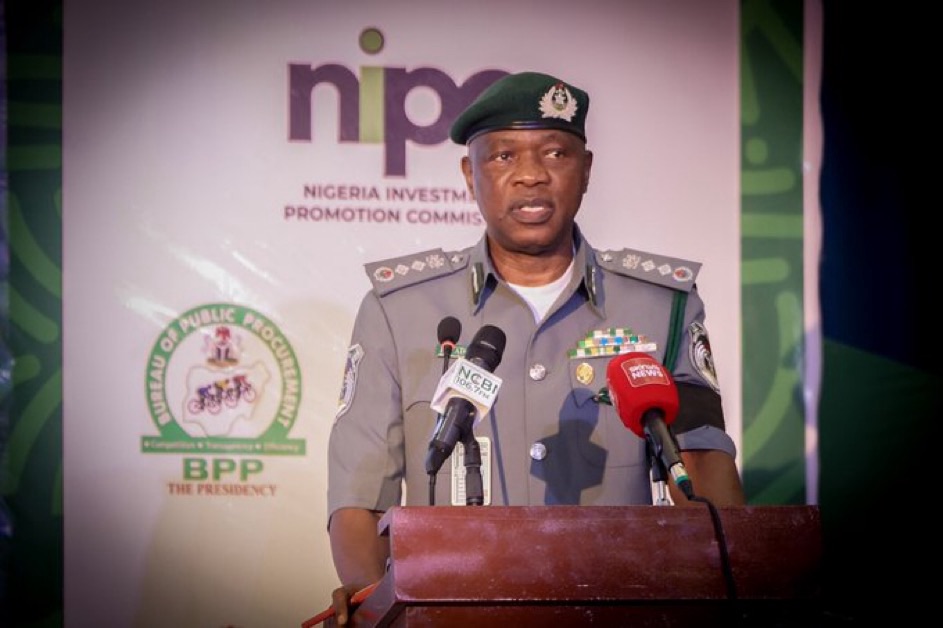
The Comptroller-General of the Nigeria Customs Service, Adewale Adeniyi, has pledged the full support of the Service towards the realisation of Nigeria’s ambition to build a $1 trillion economy.

Adeniyi stressed that achieving the ambitious economic target would require more than government plans and policy statements, noting that national aspirations must be translated into concrete, measurable and sustainable results.
According to the Comptroller-General, the $1 trillion economy target is achievable if the plans and strategies designed to drive economic growth are properly implemented. He emphasised the need for government institutions to work together and remain focused on delivering results that will have a direct impact on the economy.
The Customs boss explained that the Nigeria Customs Service had moved beyond discussions and ideas by taking practical steps to support the country’s economic transformation agenda. He highlighted the Service’s ongoing modernisation reforms, including the deployment of B’Odogwu, the Authorised Economic Operator (AEO) programme and the Advance Ruling mechanism.
He said the initiatives are designed to facilitate legitimate trade, improve transparency and predictability in the trading environment, reduce unnecessary delays and strengthen revenue generation. According to him, a more efficient and predictable customs system would encourage businesses to expand their operations while contributing to increased economic activities.
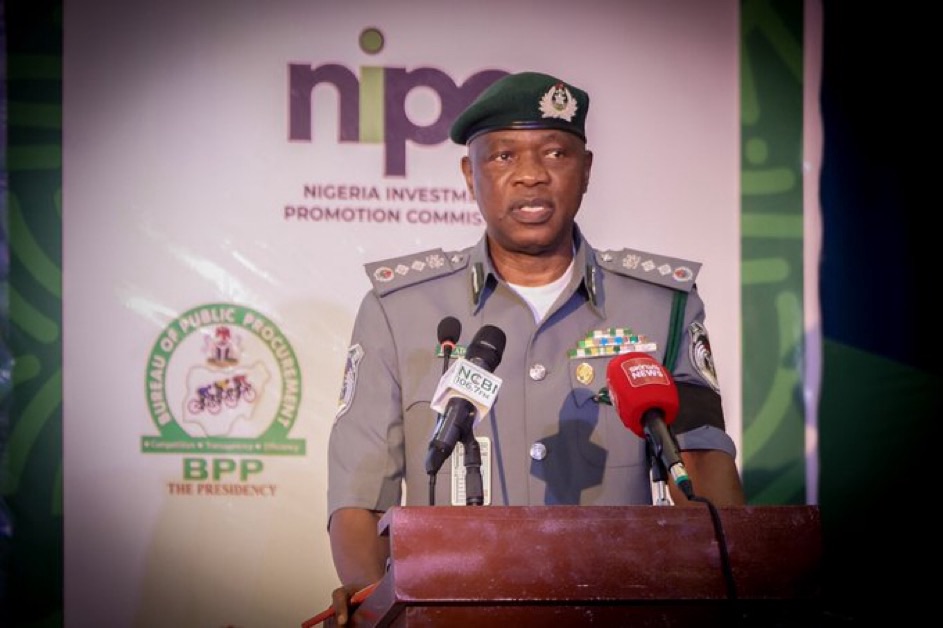
Adeniyi further noted that achieving the $1 trillion economy would require collective responsibility and active participation from all sectors of the economy. He said government institutions, businesses and citizens must play their respective roles in supporting policies and programmes aimed at improving productivity, investment and economic development.
The Comptroller-General stressed that the Nigeria Customs Service is strategically positioned to contribute to the country’s economic transformation because of its responsibilities in revenue collection, trade facilitation and border management.
He maintained that by improving its operations, supporting legitimate businesses and strengthening revenue collection, the Service would continue to contribute to the Federal Government’s broader efforts to grow the Nigerian economy and achieve its long-term economic objectives.