
Lagos Moves to Strengthen Waterway Transportation as Regulatory Challenges Persist

Ill Lagos is entering a new phase of investment in waterway transportation, with stakeholders exploring ways to develop the state’s extensive waterways into a more efficient and reliable component of the public transport system.
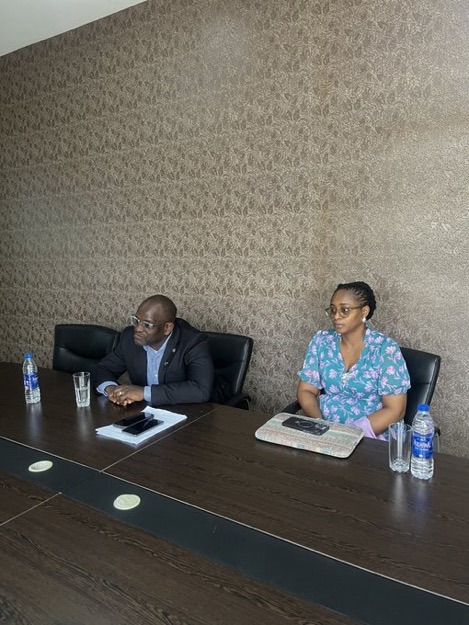
A recent sensitisation session brought together representatives of the Lagos State Waterways Authority (LASWA), the Special Adviser to the Governor on Blue Economy, Mr. Oluwadamilola Emmanuel, and Ms. Oyindamola Ade-Alli, among other stakeholders.
The discussions focused on the development of waterway transport and the opportunities it presents for improving mobility across Lagos. A €410 million waterborne public transport project is being developed, with plans involving new ferry routes, upgraded terminals and electric vessels aimed at establishing a large-scale inland waterways transport network.

The development comes against the background of Lagos’ longstanding transportation challenges. The state operates three major transport modes — road, rail and water — but water transportation has historically received less attention despite the potential of waterways to provide an alternative route for commuters and reduce pressure on the road network.
Regulatory jurisdiction remains a major concern
One of the key issues raised during the session was the question of regulatory jurisdiction and coordination between federal and state authorities.
Coastal and inland waterways involve different layers of government responsibility, while the Lagos State Government is simultaneously pursuing its own plans for expanding water transportation. Without a clearly defined framework for how these responsibilities will work together, projects involving jetties, ferry operations, licences and other water transport infrastructure could face regulatory uncertainty.
Stakeholders warned that unresolved jurisdictional questions could create difficulties for investors and operators, particularly as significant amounts of private and public capital begin to enter the sector.
Other challenges identified
Several other issues that could affect the success of the proposed water transport expansion were highlighted.
These include low public awareness and ineffective communication, which could limit commuters’ understanding and acceptance of new services. There are also concerns about potential conflicts between government agencies, as well as how commuters will adapt their travel habits and incorporate water transport into their daily journeys.
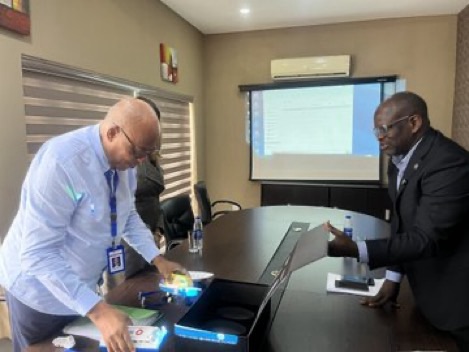
Infrastructure is another important consideration. Beyond constructing terminals and ferry routes, the system would require effective last-mile connectivity linking waterways with road and rail networks so passengers can move easily between different modes of transportation.
Proposed solutions
Several measures were proposed to address these challenges and create an environment that can support sustainable investment in water transportation.
Among the suggestions is the introduction of congestion fees as a possible mechanism for managing road traffic and encouraging the use of alternative transport options. Stakeholders also called for investment in modern infrastructure, seamless intermodal transportation and stronger communication campaigns to educate the public about available water transport services.
The session also emphasised the importance of private-sector participation and financing partnerships. Enabling policies, appropriate incentives and clearer regulatory arrangements could encourage private investors to bring capital, technology and expertise into the sector.

Need for federal-state coordination
The discussions ultimately highlighted that the success of Lagos’ water transport ambitions will depend not only on infrastructure and technology but also on effective intergovernmental coordination.
Stakeholders argued that the Federal Government and Lagos State Government need to clearly establish their respective responsibilities before major investments are committed. A defined framework could reduce uncertainty for investors, prevent conflicts between government agencies and provide greater clarity for operators.
With Lagos seeking to expand its transport infrastructure and strengthen its blue economy, stakeholders believe that resolving regulatory and coordination issues early will be critical to ensuring that water transportation develops into a reliable part of the state’s wider transport system.