Economy
PRESS BRIEFING
Most Read
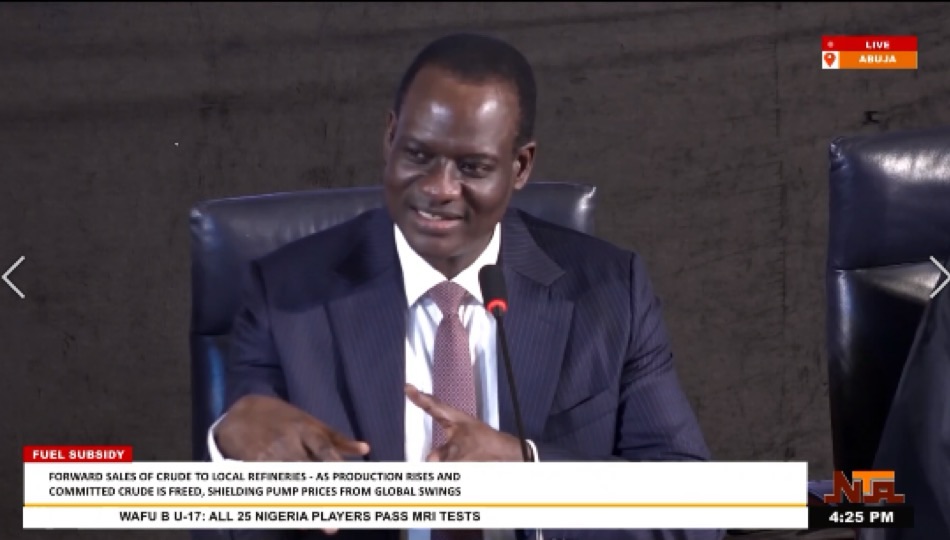
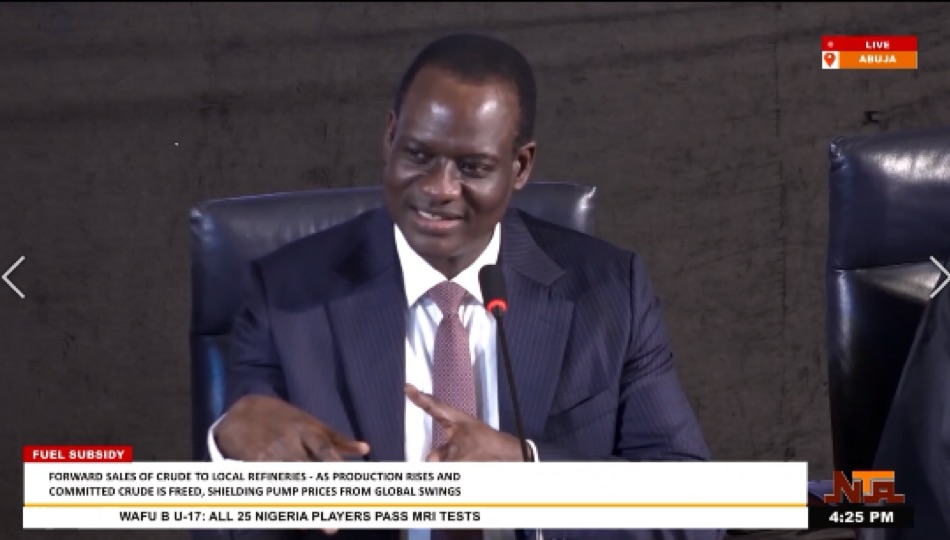
This briefing by Professor Taiwo Oyedele, Minister of Finance and Coordinating Minister of the Economy, explains the Federal Government’s position on fuel prices and why it is rejecting calls for a return to a broad petrol subsidy.
Main points
- Global factors are driving fuel prices: The government says the ongoing conflict in the Gulf, higher crude oil prices, reduced refined-product supply and increased shipping costs have pushed fuel prices higher worldwide.
- Why the government opposes fuel subsidy: According to the Minister, bringing back a subsidy would place a huge financial burden on government, encourage smuggling and excessive fuel consumption, and put pressure on the naira and the economy.
- Cost of subsidy: The government estimates that returning petrol to its pre-reform price could cost more than ₦20 trillion annually, while a ₦500-per-litre subsidy could cost more than ₦16 trillion a year.
- Savings from subsidy removal: The government says subsidy removal released ₦15.8 trillion to the Federation Account between June 2023 and December 2025, with ₦10.4 trillion going to states and local governments.
- Measures already introduced: These include tax and duty waivers on petroleum products, naira-for-crude transactions, CNG conversion programmes, electricity support, stronger regulation and efforts to stabilise the naira.
- New relief measures: The government plans a 30-day discount at NNPC stations, forward sales of crude to domestic refineries, a proposed ₦1,350-per-litre ceiling on ex-gantry or landing costs, increased cash transfers, subsidised credit and faster CNG deployment.
- Strategic fuel reserve: The Federal Government also plans to establish a National Strategic Fuel Reserve to help prevent artificial scarcity and reduce the impact of future global energy disruptions.
- Possible excess-profit tax: The government says it may introduce an excess-profit tax on operators that take undue advantage of consumers, with proceeds directed toward transport support or vouchers for vulnerable workers.
Overall message
The central argument is that the government does not want to return to a blanket fuel subsidy. Instead, it wants to use targeted relief, tax waivers, CNG, local refining, price-smoothing measures and direct support to reduce the pressure on Nigerians while protecting government revenue and economic stability.