
IGP Disu Opens Regional Arms-Tracing Training, Prioritises Election Security

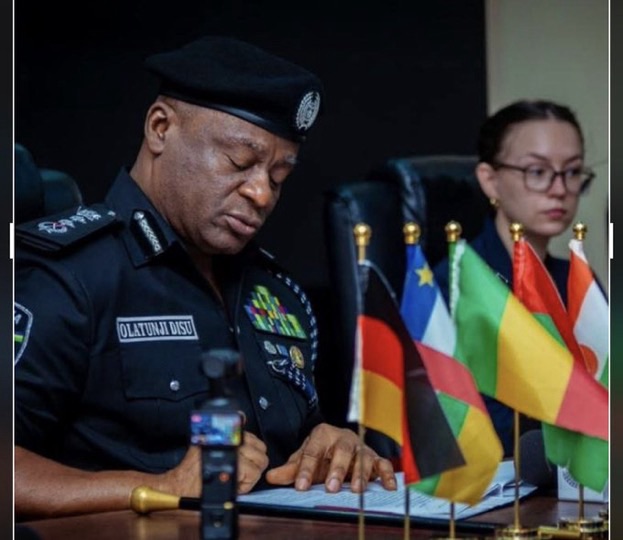
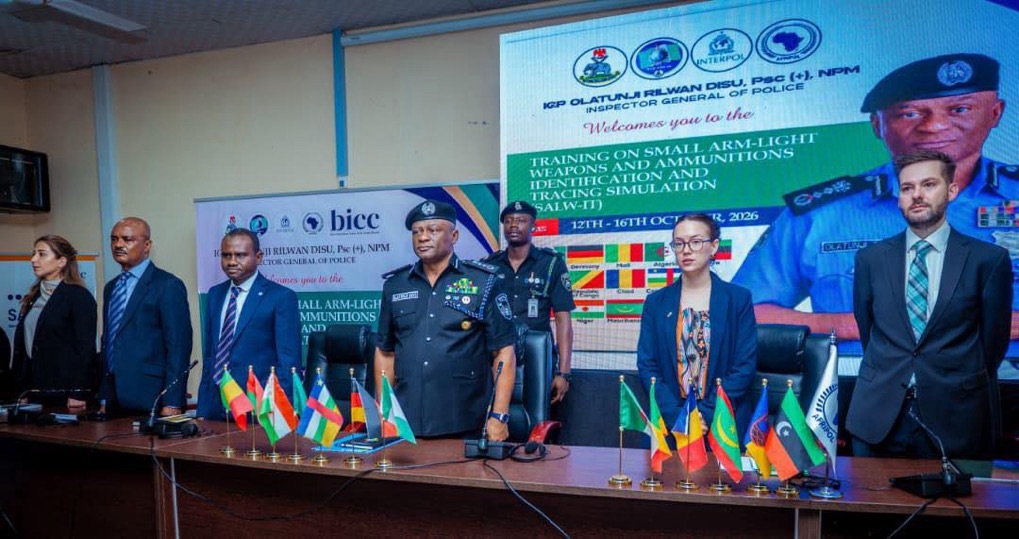
The Inspector-General of Police (IGP), Olatunji Rilwan Disu, has opened a regional arms-tracing training programme aimed at strengthening the capacity of security personnel to trace illicit firearms, improve intelligence gathering, and enhance security operations, particularly ahead of future elections.
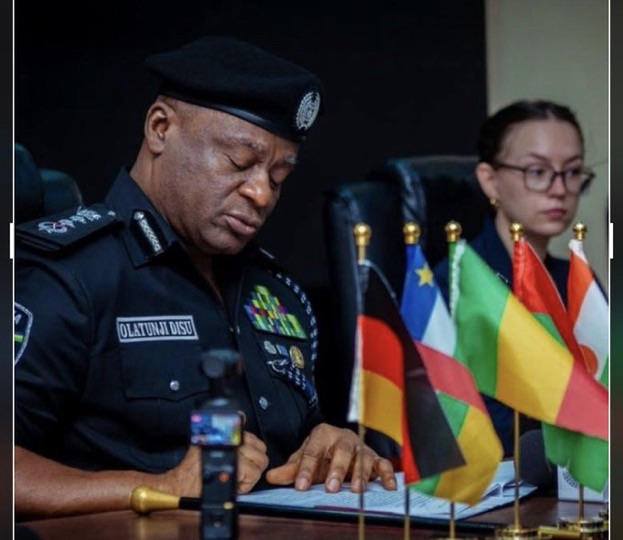
The training underscores the importance of effective weapons tracing in combating armed crime, curbing the proliferation of illegal firearms, and identifying the sources and movement of weapons used by criminal groups.
By strengthening the skills of participating officers and security personnel, the programme is expected to improve investigations involving illegal arms possession, trafficking, and the use of firearms in violent crimes. Arms tracing can also help law enforcement agencies establish connections between recovered weapons and criminal activities, thereby supporting evidence-based investigations and prosecutions.
IGP Disu’s emphasis on election security highlights concerns about the potential use of illicit firearms to intimidate voters, disrupt political gatherings, threaten electoral officials, and undermine the peaceful conduct of elections.
As Nigeria prepares for future electoral activities, strengthening the ability of security agencies to detect and trace illegal weapons remains an important component of efforts to prevent election-related violence and protect citizens.

The regional nature of the training also points to the importance of cooperation and information-sharing among law enforcement agencies, particularly in addressing cross-border arms trafficking. Such collaboration can help security agencies track the movement of illicit weapons across jurisdictions and develop coordinated responses to emerging security threats.
The initiative aligns with broader efforts to improve police professionalism, strengthen intelligence-led policing, and enhance public safety through specialised training and operational cooperation.

Effective implementation of the programme will depend on sustained capacity building, access to appropriate investigative tools, and cooperation among relevant security agencies.
Overall, the training reinforces the importance of arms tracing as a crime-prevention strategy and highlights the need for proactive security measures to protect Nigeria’s electoral process from the threat of illegal firearms and election-related violence.