Understanding Your Skin: Types, Functions, and How to Care for It Naturally

Understanding Your Skin: Types, Functions, and How to Care for It Naturally
Your skin does more than define your appearance. Every day, your skin protects your body from environmental irritants, helps regulate temperature, prevents excessive water loss, and provides sensations such as touch, heat, and cold. Yet many people spend money on skincare products without first understanding their skin type or what their skin needs.
In Nigeria, heat, humidity, dust, frequent sweating, and exposure to sunlight influence daily skincare choices. Traditional ingredients such as shea butter and aloe vera also feature in many people’s routines. While some natural ingredients have useful moisturising or soothing properties, the best skincare approach starts with understanding your skin and choosing products that suit your needs.
This first instalment of the Free Surge Magazine Skin Care Series explains how your skin works, how to recognise common skin types, and how to establish a simple, affordable skincare routine.
1. Understanding the Skin and Its Functions
The skin is the body’s largest organ. Along with other structures, it forms a protective barrier between your body and the outside environment.
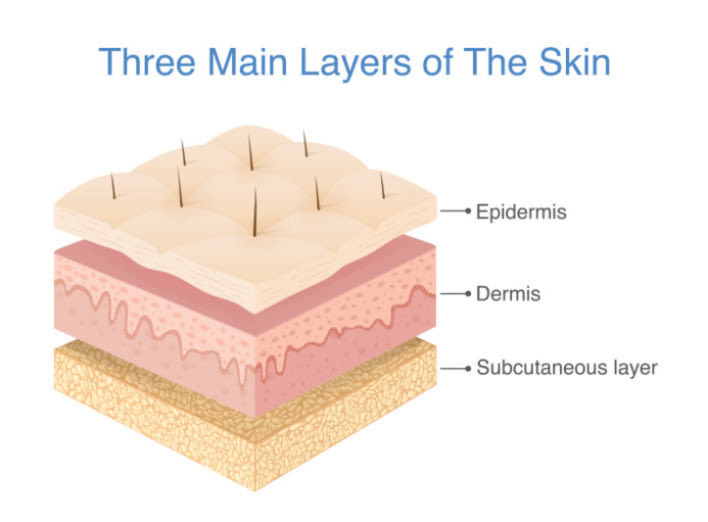
Your skin has three main layers.
The epidermis is the outermost layer. It provides a protective barrier and contains cells responsible for producing keratin and melanin. Melanin is the pigment responsible for much of the natural colour of your skin.
The dermis lies beneath the epidermis. It contains collagen, elastin, blood vessels, nerves, hair follicles, and glands that produce sweat and oil. These structures support the skin and help it perform its functions.
The subcutaneous layer lies beneath the dermis. It contains fat and connective tissue that cushion the body, provide insulation, and help attach the skin to underlying structures.
Together, these layers help your body maintain its internal balance.
Why your skin matters
Your skin performs several essential functions.
Protection: The skin helps defend your body against harmful microorganisms, environmental irritants, and physical damage.
Temperature regulation: Sweat production and changes in blood flow near the skin’s surface help your body regulate temperature.
Moisture retention: The outer skin barrier limits excessive water loss. When this barrier becomes damaged, your skin often feels dry, rough, itchy, or irritated.
Sensation: Nerve endings allow you to detect pressure, touch, pain, heat, and cold.
Vitamin D production: When ultraviolet B radiation from sunlight reaches exposed skin, the body produces vitamin D. Excessive sun exposure, however, damages the skin, so sun protection remains important.
Understanding these functions explains why good skincare involves more than improving appearance. Healthy skincare habits help preserve the skin’s protective barrier and reduce avoidable irritation.
2. What Determines Your Skin Type?
Your skin type largely depends on how much oil your skin produces and how effectively your skin retains moisture.
Skincare professionals commonly describe five skin types: normal, dry, oily, combination, and sensitive.
Your skin type is not a permanent label. Age, hormones, weather, medication, skincare products, and certain medical conditions influence how your skin behaves over time.
Knowing your skin type helps you select appropriate cleansers, moisturisers, and other products.
Normal skin
Normal skin generally has a balanced appearance. It does not produce excessive oil or show persistent dryness.
Common characteristics include:
- A relatively balanced level of oil.
- Few areas of persistent flaking.
- Little discomfort after gentle cleansing.
- Generally comfortable skin throughout the day.
Normal skin still requires basic care. Gentle cleansing, moisturising when needed, and sun protection help maintain the skin barrier.
Do not assume normal skin requires no attention. Excessive scrubbing, harsh soaps, and unsuitable products still cause irritation.
Dry skin
Dry skin develops when the skin lacks sufficient moisture and, in some cases, the natural oils needed to maintain its protective barrier.
Common signs include:
- Rough or flaky patches.
- Tightness after bathing or washing.
- Itching or mild irritation.
- Cracked skin when dryness becomes severe.
Hot water, harsh soaps, frequent washing, and dry environmental conditions often worsen dryness. Some medical conditions also cause persistent dry skin.
For dry skin, choose a gentle cleanser and apply a moisturiser after bathing while the skin remains slightly damp.
Shea butter is a familiar Nigerian skincare ingredient with moisturising properties. A clean, fragrance-free product containing shea butter is worth considering if your skin tolerates it. A cream or ointment formulated for dry skin is another option.
Natural ingredients do not suit everyone. Stop using a product if you develop burning, redness, itching, or a rash.
Oily skin
Oily skin produces more sebum, the natural oil released by the skin’s sebaceous glands.
Common characteristics include:
- A shiny appearance, especially across the forehead, nose, and chin.
- Oiliness returning soon after washing.
- Enlarged-looking pores.
- A greater tendency towards blackheads and some forms of acne.
Oily skin is common during adolescence because hormonal changes influence sebum production.
One frequent mistake is using strong soaps or washing repeatedly to remove every trace of oil. These habits irritate the skin and interfere with its protective barrier.
Instead, wash your face gently in the morning and evening, and after heavy sweating. Use a mild cleanser and consider a lightweight, non-comedogenic moisturiser.
Non-comedogenic products are formulated to reduce the likelihood of blocking pores.
Avoid applying heavy oils or thick mixtures to acne-prone areas if they worsen your breakouts. Oily skin still needs appropriate hydration and sun protection.
Combination skin
Combination skin has different characteristics across different areas of the face.
For example, your forehead, nose, and chin might become oily while your cheeks feel dry or comfortable.
This pattern is often called the T-zone pattern because the forehead and nose form the shape of a letter T.
If you have combination skin, avoid treating every part of your face in the same way.
Use a gentle cleanser across your face. Apply more moisturiser to dry areas and choose a lighter formulation for areas prone to excess oil.
Adjust your routine according to how your skin responds rather than buying several products unnecessarily.
Sensitive skin
Sensitive skin tends to react more easily to skincare products, fragrances, heat, or other environmental triggers.
Common symptoms include:
- Stinging or burning after applying products.
- Redness or irritation.
- Itching.
- Dryness or a rash after exposure to certain ingredients.
Sensitive skin is not always a separate medical diagnosis. These symptoms sometimes occur with eczema, contact dermatitis, rosacea, or other skin conditions.
Choose fragrance-free products and introduce new ingredients one at a time.
If a product repeatedly causes discomfort, stop using it. Persistent reactions deserve assessment by a qualified healthcare professional.
Also remember that products labelled natural, herbal, organic, or traditional are not automatically suitable for sensitive skin. Plant extracts and essential oils sometimes trigger allergic reactions.
3. How to Identify Your Skin Type at Home
You do not need expensive equipment to begin understanding your skin.
A simple observation routine provides useful clues, although it does not replace a professional assessment.
Follow these steps.
Step 1: Wash your face gently.
Use a mild facial cleanser and lukewarm water. Avoid harsh black soaps, abrasive scrubs, and products that leave your skin feeling stripped.
Step 2: Pat your face dry.
Use a clean, soft towel. Do not rub your face aggressively.
Step 3: Leave your skin alone briefly.
Wait approximately 30 to 60 minutes without applying moisturiser, oils, makeup, or other skincare products.
Step 4: Observe how your skin feels and looks.
If your face feels comfortable without noticeable dryness or excessive shine, your skin might be normal.
If your face feels tight or develops flaky patches, your skin might be dry.
If your forehead, nose, and cheeks appear shiny, you might have oily skin.
If your forehead and nose appear oily while your cheeks feel dry, you might have combination skin.
If your skin stings, burns, or becomes irritated easily, you might have sensitive skin. These symptoms also occur with medical conditions, so avoid relying on this test alone.
Repeat your observations on different days. Sweating, weather, recent washing, and skincare products influence the results.
Important: This test helps you observe oiliness and dryness. It does not diagnose skin diseases or allergies.
4. How Nigeria’s Climate Affects Your Skin
Nigeria’s tropical climate creates skincare challenges for people who spend time outdoors, travel frequently, work in the sun, or exercise in warm conditions.
However, the effects differ according to location, season, occupation, individual skin type, and daily habits.
Heat and sweating
High temperatures increase sweating. Sweat helps cool the body, but a mixture of sweat, oil, friction, and occlusive products sometimes contributes to irritation or acne-like breakouts.

After heavy sweating, gently cleanse your face and change out of wet clothing when practical.
Avoid scrubbing your skin repeatedly throughout the day. Frequent harsh cleansing often creates more irritation without solving the underlying problem.
Humidity
Humid conditions affect how sweat evaporates and how comfortable different skincare products feel.
People with oily skin often prefer lightweight moisturisers during hot weather. People with dry skin might still need richer moisturising products, especially after bathing.
Choose products according to your skin’s needs rather than assuming everyone in a humid environment needs oil-free skincare.
Dust and environmental irritants
Dust, smoke, and other airborne particles settle on exposed skin. These particles sometimes aggravate irritation, particularly in people with existing skin conditions.
Wash exposed skin gently when needed, especially after outdoor activities.
If you have sensitive skin, avoid aggressive cleansing and harsh exfoliation in an attempt to remove every particle.
Sun exposure
Sunlight contains ultraviolet radiation, which damages skin cells when exposure becomes excessive.
Repeated exposure contributes to premature skin ageing, sunburn, uneven pigmentation, and certain skin cancers.
Darker skin contains more melanin on average and has some natural protection against ultraviolet damage. However, melanin does not eliminate the risks of sun exposure.
People with darker skin tones also experience sun-related pigmentation changes and other forms of skin damage.
The World Health Organization recommends sun protection when the ultraviolet index reaches 3 or above.
Practical measures include:
- Seek shade during periods of intense sunlight.
- Wear protective clothing and a hat when appropriate.
- Use broad-spectrum sunscreen with SPF 30 or higher on exposed skin.
- Reapply sunscreen according to the label, especially after sweating, swimming, or towel drying.
For people who spend long hours farming, trading, driving, delivering goods, or working outdoors, shade breaks and protective clothing offer useful additional protection.
Sunscreen does not need to leave a white cast to be effective. If the finish bothers you, consider a suitable tinted formulation designed for your skin tone.
5. Natural Skincare Ingredients Commonly Used in Nigeria
Natural ingredients have an important place in traditional Nigerian skincare. Some provide useful moisturising or soothing effects, but evidence varies considerably between ingredients and uses.
The goal is to understand what an ingredient offers, what remains uncertain, and when caution is necessary.
Shea butter
Shea butter is extracted from the nuts of the shea tree. People use it in body creams, soaps, hair products, and traditional skin preparations.
Its main skincare role is moisturising. Oils and fats in shea butter help soften the skin and reduce moisture loss.
Potential uses include:
- Softening dry areas of the body.
- Supporting a moisturising routine.
- Reducing the feeling of roughness associated with dry skin.
Choose a clean product from a reliable source. If your face is prone to acne, test the product on a small area first because rich formulations do not suit everyone.
Shea butter is not a proven cure for acne, ringworm, eczema, or dark spots.
Aloe vera
Aloe vera is widely used in cosmetic products and traditional remedies.
Some preparations have evidence of soothing effects for certain skin concerns, but results vary by formulation and condition.
Aloe-containing moisturisers might suit some people who want a lightweight product. Evidence does not support treating every rash, infection, or wound with aloe vera.
Use products intended for topical skin application. Fresh aloe leaves contain yellow latex beneath the outer rind, which differs from the clear inner gel and might cause irritation.
Stop use if your skin develops a reaction.
Coconut oil
Coconut oil helps reduce moisture loss and softens dry skin for some people.
Its usefulness depends on the application site and individual response.
Some people tolerate coconut oil on dry areas of the body, while others find it too heavy for their faces or acne-prone skin.
Coconut oil is not a replacement for sunscreen, and it does not reliably treat fungal infections or persistent acne.
African black soap
African black soap is used in many Nigerian households as a traditional cleansing product.
Formulations differ according to ingredients, production methods, and added fragrances.
Some products cleanse effectively, but harsh or highly alkaline formulations leave the skin dry or irritated.
If you experience persistent tightness, burning, flaking, or worsening breakouts after using black soap, stop using the product and switch to a gentler cleanser.
A traditional product does not automatically suit every skin type.
A key rule for natural skincare
Do not apply undiluted essential oils, lemon juice, bleach, or unknown herbal mixtures to your skin.
Lemon juice and certain plant substances cause irritation or increase sensitivity to sunlight. Undiluted essential oils sometimes trigger allergic reactions.
Never assume a product is safe because someone describes it as organic, homemade, or traditionally prepared.
For any new skincare product, test a small amount on a limited area of skin first. Follow the product instructions and observe the area for several days. Stop use if irritation develops.
A small-area test reduces some risks but does not guarantee that a product will never cause a reaction.
6. Building a Simple Daily Skincare Routine
A good routine does not require a shelf full of products.
Start with three basic steps: cleansing, moisturising, and sun protection.
Morning routine
First, cleanse your face gently if needed.
Second, apply a moisturiser suited to your skin type.
Third, apply broad-spectrum sunscreen with SPF 30 or higher to exposed skin.
Allow each product to settle according to its instructions before applying the next one.
Evening routine
First, wash away accumulated sweat, dirt, sunscreen, and makeup using a gentle cleanser.
Second, apply moisturiser while your skin remains slightly damp.
Third, follow any treatment prescribed by a qualified healthcare professional if you have a diagnosed skin condition.
Avoid introducing multiple new products at the same time. If irritation develops, using one new product at a time makes identifying the likely cause easier.
What about people with oily skin?
You still need a moisturiser if your skin benefits from one.
Choose a lightweight formulation labelled non-comedogenic when possible.
Avoid washing your face repeatedly to remove oil. Gentle cleansing twice daily and after heavy sweating is a useful starting point.
What about people with dry skin?
Choose a fragrance-free cream or ointment if your skin tolerates it.
Apply moisturiser shortly after bathing to help retain water.
Keep showers reasonably short and use lukewarm water rather than very hot water.
What about people with sensitive skin?
Keep your routine simple.
Choose fragrance-free products and avoid rough exfoliating tools.
Introduce new ingredients gradually. Stop any product that repeatedly causes burning, itching, or redness.
Seek medical advice if symptoms persist despite simplifying your routine.
7. Common Skincare Mistakes to Avoid
Many skin problems become harder to manage when people follow unsuitable skincare advice.
Avoid these common mistakes.
Using harsh soap on the face: Strong cleansers sometimes damage the skin barrier and worsen dryness or irritation.
Scrubbing aggressively: Scrubbing does not remove all acne or dark spots. Excessive friction increases inflammation and sometimes worsens pigmentation.
Applying too many products: Multiple active ingredients sometimes cause irritation, particularly when introduced together.
Using unverified herbal mixtures: Unknown ingredients, contamination, and unsuitable concentrations create safety concerns.
Sharing skincare products: Shared containers and applicators sometimes transfer microorganisms. Avoid sharing products that come into direct contact with skin, particularly when someone has an active infection.
Ignoring persistent symptoms: Recurrent itching, unexplained rashes, painful swelling, and persistent acne sometimes require medical treatment.
Expecting immediate results: Improvements in dryness and comfort might appear relatively quickly, while acne and pigmentation often require weeks or months of consistent care.
Using skin-lightening products without checking their ingredients: Some unregulated products contain harmful substances, including mercury or potent corticosteroids. Prolonged or inappropriate use causes serious health problems.
Healthy skin does not need to be lighter, flawless, or free of every natural mark. The aim is to protect your skin, maintain its normal function, and address genuine health concerns safely.
8. When Should You Seek Professional Help?
Home skincare is appropriate for many minor concerns, but some symptoms require professional assessment.
Seek medical advice if you experience:
- Persistent itching or a rash that does not improve.
- Severe or painful acne.
- Repeated swelling or allergic reactions.
- Cracked skin that becomes painful or infected.
- A spreading rash or suspected fungal infection.
- A new or changing skin growth.
- Unexplained changes in skin colour.
- Skin problems that worsen after using a traditional remedy.
Seek urgent medical care for difficulty breathing or swelling of the tongue or throat after a suspected allergic reaction.
A qualified healthcare professional will help identify the cause and recommend suitable treatment.
Do not assume every itchy patch is eczema or every circular rash is ringworm. Different skin conditions sometimes look similar but require different treatments.
9. Your Skin Health Checklist
Use this simple checklist to begin improving your skincare habits.
□ Identify whether your skin tends to be dry, oily, combination, normal, or sensitive.
□ Choose a gentle cleanser that does not leave your skin uncomfortable.
□ Use a suitable moisturiser when your skin needs one.
□ Protect exposed skin from excessive sunlight.
□ Avoid harsh scrubbing and unverified skin-lightening mixtures.
□ Introduce new skincare products one at a time.
□ Observe how your skin responds to natural ingredients.
□ Seek professional advice for persistent, painful, or worsening symptoms.
You do not need to purchase every product advertised online. Start with the basics, choose suitable products, and maintain a routine your skin tolerates.
Conclusion: Healthy Skin Begins with Understanding
Your skin has unique needs, and those needs influence which products work best for you.
Understanding your skin type helps you choose appropriate cleansers and moisturisers, avoid unnecessary irritation, and build a practical skincare routine.
Nigeria’s traditional skincare ingredients, including shea butter and aloe vera, offer useful options for some people. Their benefits depend on the formulation, the skin concern, and individual tolerance. Traditional use alone does not establish that an ingredient cures a skin disease.
The most reliable starting point is simple: cleanse gently, moisturise appropriately, protect your skin from the sun, and seek professional care when symptoms persist.
Healthy skincare does not have to be complicated or expensive. It begins with informed choices and consistent habits.
Coming Next on Free Surge Skin Care
Article 2: Building a Healthy Skincare Routine, Morning and Night Practices That Work.
In the next instalment, Free Surge Magazine will explain how to organise a practical morning and evening routine, choose suitable products, and avoid common skincare mistakes without spending unnecessarily.
Free Surge Magazine
Natural Skin Care and Dermatology, A Nigerian Guide to Healthy Skin
Medical information note
This article provides general educational information. It does not replace diagnosis or treatment from a qualified healthcare professional.