COAS Emphasises Modern Military Training, Cadet Exchanges at Rwanda Military Academy

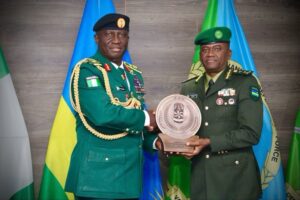
The Chief of Army Staff (COAS), Lieutenant General Waidi Shaibu, has emphasised the importance of modern military training, professional military education and cadet exchange programmes in strengthening cooperation between the Nigerian Army and the Rwanda Defence Force.
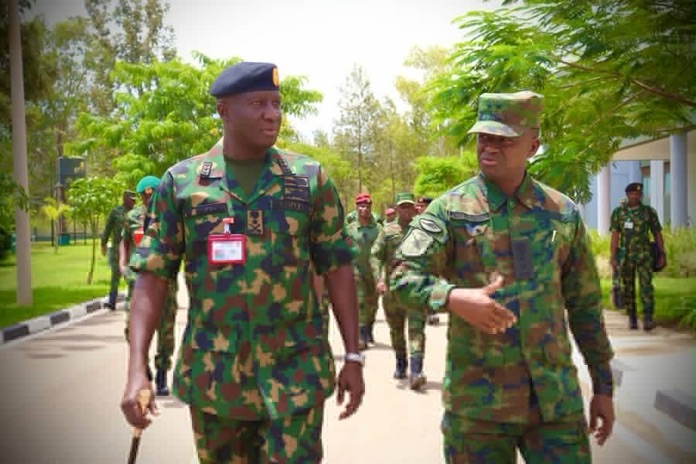
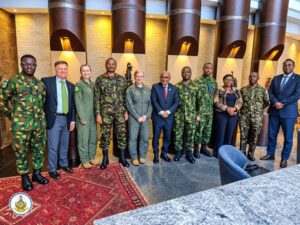
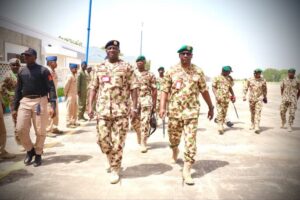
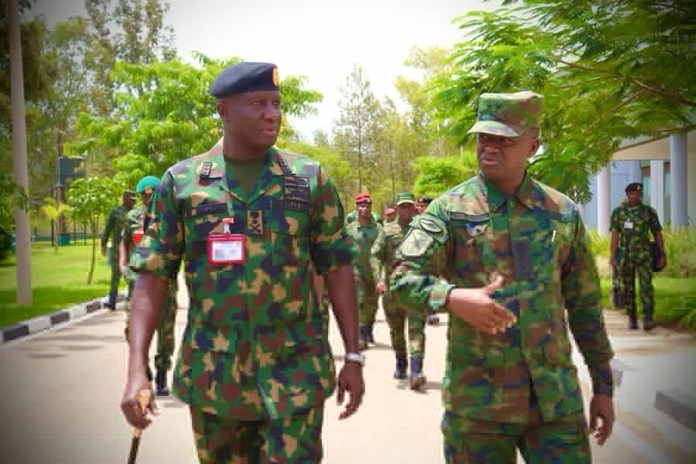
Shaibu made this known during a visit to the Rwanda Military Academy (RMA) in Gako, Rwanda, as part of his official working visit aimed at deepening bilateral defence relations and improving the capacity of both countries’ armed forces to respond to emerging security threats.
The Army Chief commended the academy for its training standards, discipline and professionalism, particularly the tactical skills demonstrated during a Special Forces display. He noted that modern security challenges require military personnel to possess advanced operational skills, sound leadership qualities and the ability to adapt to changing battlefield conditions.
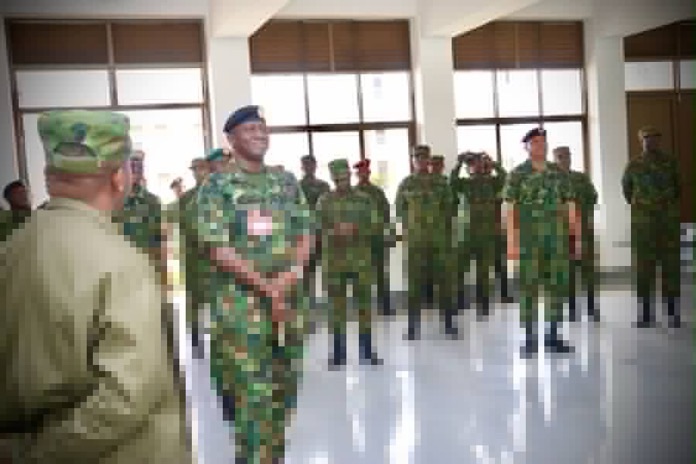
According to Shaibu, strengthening professional military education is essential to producing competent officers capable of responding effectively to complex security situations, including terrorism, insurgency and other threats to national and regional stability.
He also urged the academy’s leadership to prepare for the arrival of the first batch of Nigerian officer cadets under a proposed exchange programme between Nigeria and Rwanda.
The proposed initiative is expected to provide opportunities for Nigerian and Rwandan cadets to learn from each other’s military training systems, share operational experiences and develop the professional skills required for effective military service. Reports on the wider cooperation plan indicate that two Nigerian Defence Academy cadets are proposed to undertake a four-year training programme at the Rwanda Military Academy, alongside reciprocal training opportunities for Rwandan cadets in Nigeria.
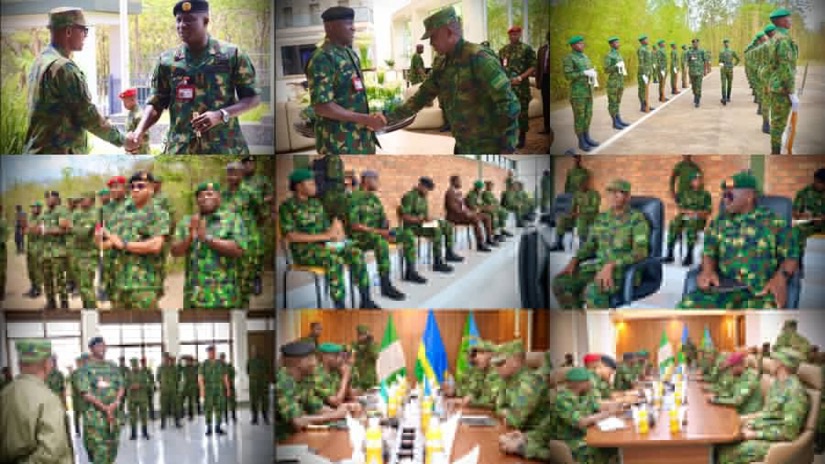
Shaibu further advocated the integration of both countries’ experiences in counterterrorism and counterinsurgency into military training programmes. Such collaboration, he explained, could improve operational planning, strengthen professional competence and enhance interoperability between the two armies.
Interoperability refers to the ability of military forces from different countries to coordinate their activities, communicate effectively and operate together during joint missions. This capability is particularly important when addressing security threats that cross national borders.
Earlier, Brigadier General Bukenya, representing the Commandant of the Rwanda Military Academy, explained that the institution focuses on developing professional military leaders through rigorous instruction in military tactics, leadership, discipline and physical fitness.
He added that the academy’s training programmes also equip cadets with essential skills in peace support operations, operational planning and logistics management.
Bukenya welcomed the proposed partnership, reaffirming the academy’s commitment to strengthening military education and defence cooperation with Nigeria.
The engagement forms part of the Nigerian Army’s broader efforts to expand international military partnerships, improve the professional development of its personnel and prepare future commanders for the demands of modern warfare.
The proposed exchange programme and expanded training cooperation could also strengthen regional security by encouraging knowledge-sharing, joint capacity development and closer coordination between African military institutions.
Ultimately, the success of the partnership will depend on the effective implementation of the proposed programmes and sustained cooperation between the two countries. Strengthening military education and sharing operational expertise remain important components of efforts to improve defence capabilities and address common security challenges across Africa.