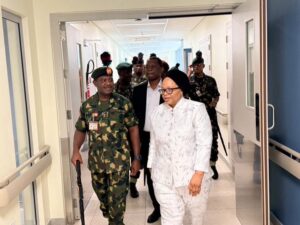
COAS DEEPENS MILITARY-TRADITIONAL INSTITUTIONAL PARTNERSHIP FOR NATIONAL SECURITY
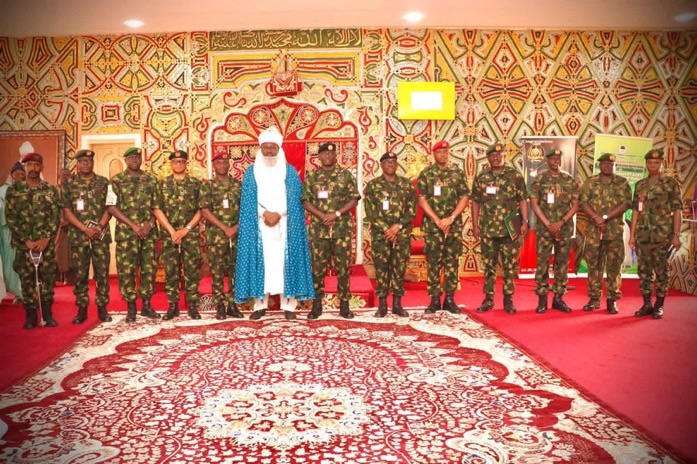
The Chief of Army Staff (COAS) has reaffirmed the Nigerian Army’s commitment to strengthening its partnership with traditional institutions as part of ongoing efforts to address security challenges and promote peace, stability, and national development.
The partnership is aimed at enhancing cooperation between the military and traditional rulers, who play significant roles in maintaining peace, resolving communal disputes, and promoting security awareness within their respective communities.
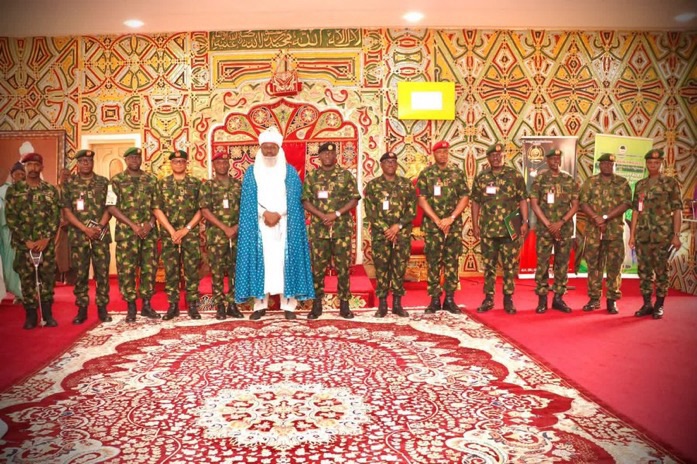
Traditional institutions remain important stakeholders in Nigeria’s security framework because of their close relationships with residents and their understanding of local dynamics. Their involvement can help security agencies obtain timely information, identify emerging threats, and develop effective responses to security challenges.
Through stronger collaboration, the Nigerian Army seeks to improve intelligence gathering, strengthen community engagement, and encourage greater public cooperation with military personnel during security operations. The initiative is also expected to promote trust between security forces and local communities, which is essential for achieving sustainable security outcomes.
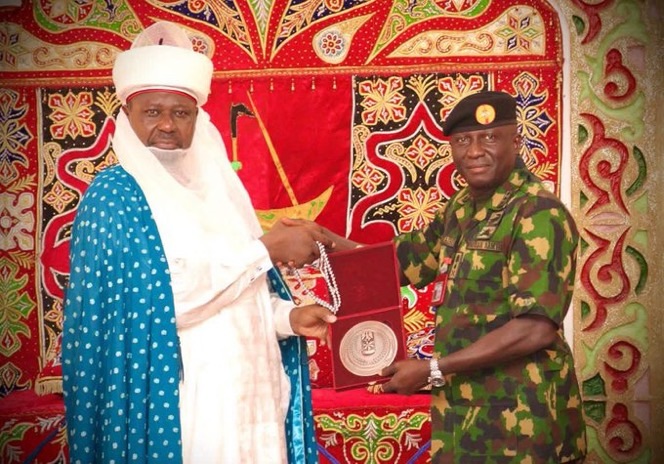
The engagement further underscores the importance of a collective approach to tackling threats such as banditry, kidnapping, terrorism, communal conflicts, and other criminal activities affecting different parts of the country.
By working closely with traditional rulers, the Army can benefit from local knowledge and community-based conflict resolution mechanisms, while traditional leaders can support efforts to discourage criminal activities, promote peaceful coexistence, and encourage residents to report suspicious movements to the appropriate authorities.
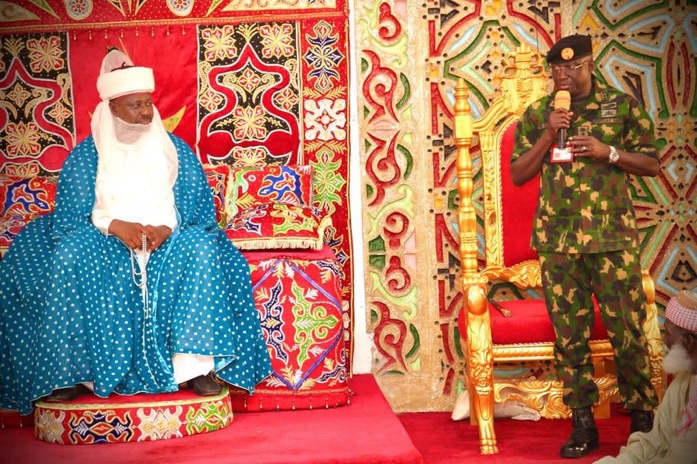
The partnership also highlights the need for continuous dialogue among the military, traditional institutions, government authorities, and other stakeholders to address the underlying causes of insecurity. Such cooperation can help prevent conflicts from escalating and strengthen the relationship between security agencies and the people they serve.
The Nigerian Army’s renewed engagement with traditional institutions reflects the growing recognition that national security requires more than military operations alone. It also depends on public trust, community participation, effective intelligence sharing, and collaboration among relevant stakeholders.
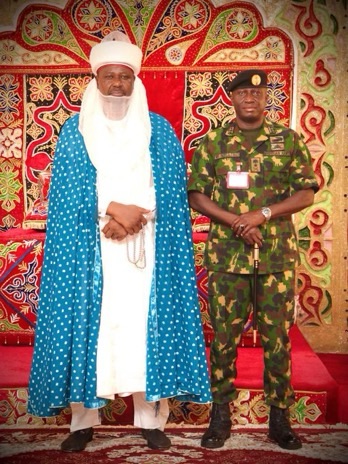
Ultimately, strengthening the military-traditional institutional partnership is expected to contribute to a more coordinated security framework, support peacebuilding efforts, and advance the broader objective of ensuring lasting peace and stability across Nigeria.