Nigeria Calls for Stronger AU Peace and Security Architecture
Nigeria has called for urgent and comprehensive reforms to strengthen the African Union (AU) Peace and Security Architecture, stressing the need for improved early warning systems, sustainable financing mechanisms and stronger coordination among continental and regional institutions to address growing security challenges across Africa.
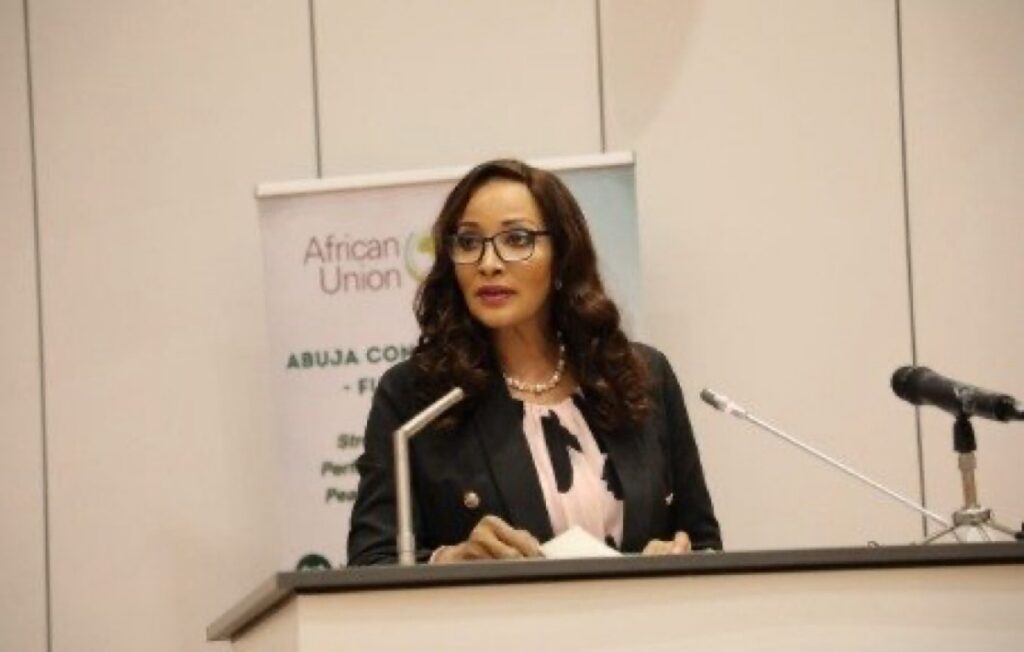
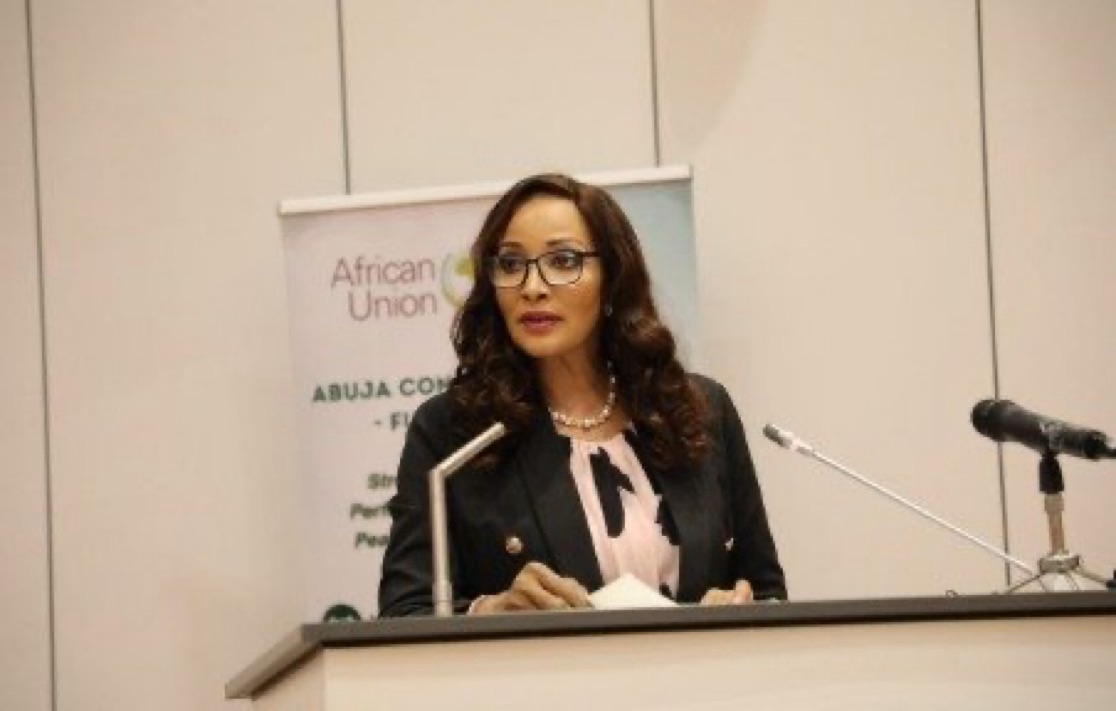
The Minister of Foreign Affairs, Ambassador Bianca Odumegwu-Ojukwu, made the call while highlighting the importance of strengthening Africa’s collective response to emerging threats, including terrorism, organised crime and other forms of insecurity affecting several parts of the continent.
According to a statement by the minister, the forum represents an important step towards implementing the African Union Assembly’s Decision 967 of February 2026, which requested the development of concrete recommendations for strengthening the continent’s peace and security architecture by January 2027.
She emphasised that the initiative provides an opportunity for African countries and relevant institutions to assess existing security mechanisms, identify operational weaknesses and develop practical solutions to improve the continent’s capacity to prevent and respond to conflicts.
Odumegwu-Ojukwu described the security situation across Africa as concerning, noting that terrorism and violent extremism continue to spread across several regions, posing significant threats to peace, stability and economic development.
She identified the Sahel region, the coastal states of West Africa, the Lake Chad Basin, the Horn of Africa, the Great Lakes region and northern Mozambique as areas facing persistent security challenges.
The minister warned that the expansion of terrorist activities across these regions requires a coordinated continental response, as armed groups continue to exploit security vulnerabilities, weak border controls and gaps in cooperation among national and regional institutions.
She further raised concerns about the increasing use of sophisticated methods by terrorist organisations to expand their operations and strengthen their financial capabilities.
According to her, these groups are increasingly deploying drones, exploiting illicit financial networks, engaging in organised criminal activities and benefiting from illegal artisanal mining to support their operations.
The growing use of such methods presents additional challenges for security agencies, particularly in areas where limited resources, inadequate intelligence-sharing and weak surveillance systems affect efforts to combat terrorism.
The minister stressed that strengthening early warning systems would be essential to identifying potential conflicts and emerging security threats before they escalate into widespread violence. She also highlighted the importance of ensuring that relevant information is quickly shared among African governments, regional organisations and continental institutions to facilitate timely intervention.
In addition, Nigeria called for sustainable financing to support peace and security operations across the continent. The availability of reliable funding remains critical to implementing peacekeeping missions, strengthening security institutions, supporting conflict prevention initiatives and ensuring that agreed policies translate into practical results.
Odumegwu-Ojukwu also acknowledged that Africa’s Peace and Security Architecture had recorded significant achievements over the years. However, she noted that persistent implementation gaps continued to undermine its overall effectiveness.
These challenges highlight the need for stronger institutional capacity, improved cooperation and greater commitment from member states to implement decisions and agreements reached at the continental level.
She emphasised that the African Union and regional organisations must strengthen their working relationships to ensure that security responses are better coordinated and more effective. Such collaboration, she indicated, would help reduce duplication of efforts, improve resource utilisation and support a more unified approach to addressing conflicts and emerging threats.
The minister expressed optimism that the forum would produce practical and implementable recommendations capable of improving the effectiveness of Africa’s peace and security institutions.
She noted that the outcome of the discussions should go beyond identifying existing challenges to establishing clear measures for addressing institutional weaknesses, improving operational efficiency and strengthening the continent’s ability to prevent and manage conflicts.
The proposed reforms are expected to contribute to ongoing efforts to build a more responsive and effective African security framework, particularly as terrorism and other transnational threats continue to evolve.
Nigeria’s position reflects its call for stronger African-led solutions to the continent’s security challenges, with emphasis on early intervention, adequate funding, intelligence-sharing and effective coordination among relevant institutions.
As the January 2027 deadline approaches for submitting recommendations under the African Union Assembly’s Decision 967, the forum provides an opportunity for African leaders and security institutions to develop strategies aimed at strengthening collective security and promoting lasting peace and stability across the continent.
Related News