Thailand: Nigeria Attracts $6bn Private Capital In 3 Years
Nigeria’s private capital inflows have surged nearly twentyfold, rising from about 300 million dollars in 2023 to almost 6 billion dollars in 2026, as the Federal Government seeks to translate recent macroeconomic stability into faster economic growth, increased investment and job creation.
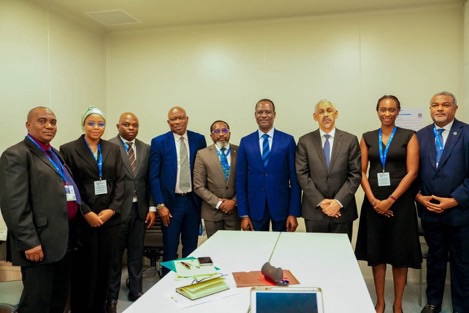
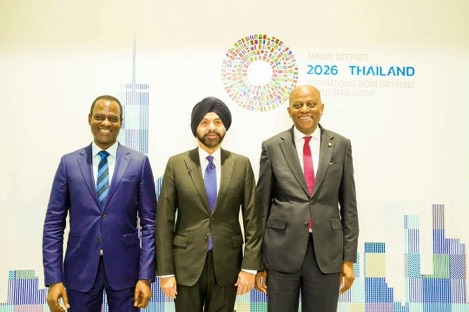
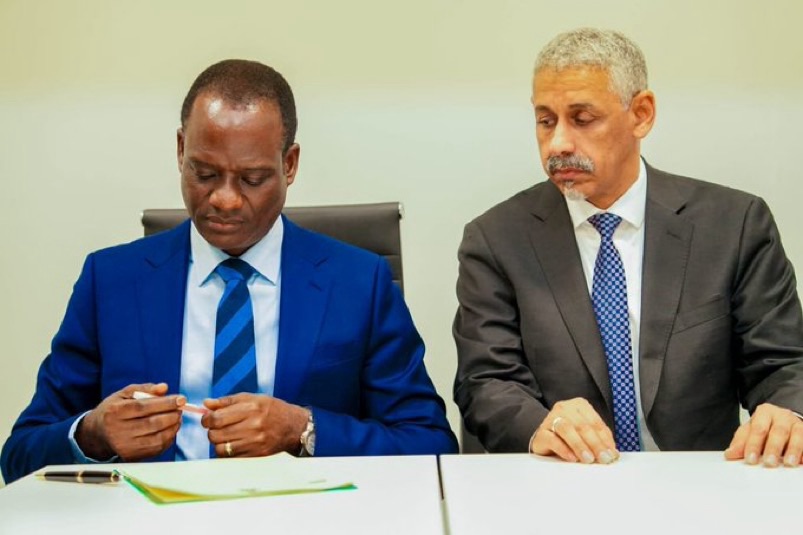
The development was highlighted during a meeting between the Minister of Finance, Taiwo Oyedele; the Governor of the Central Bank of Nigeria, Olayemi Cardoso; and the President of the World Bank Group, Ajay Banga, on the sidelines of the ongoing International Monetary Fund and World Bank Annual Meetings in Thailand.
During the discussions, Oyedele highlighted Nigeria’s improving economic performance, noting that the country had recorded stronger economic growth alongside an increase in its tax-to-GDP ratio from approximately 7 per cent to 12.5 per cent.
According to the minister, the improvement in tax revenue collection provides the government with greater fiscal capacity to finance public investment and development projects without resorting to excessive money creation.
The increase in private capital inflows also reflects efforts to strengthen investor confidence and attract more domestic and international financing into the Nigerian economy. The government is seeking to sustain this momentum by implementing economic reforms that support investment, expand productive activities and create employment opportunities.
The statement further noted that the meeting focused on exploring ways to use World Bank guarantees to attract additional private-sector financing for critical infrastructure projects across the country.
Electricity and human capital development were identified as key priorities, given their importance to economic productivity, business expansion and long-term national development.
The proposed use of World Bank guarantees is expected to help reduce investment risks and encourage private investors to participate in financing infrastructure projects that might otherwise struggle to secure adequate funding.
Reliable electricity remains essential for improving industrial output, supporting small and medium-sized enterprises and reducing the cost of doing business. Similarly, investment in human capital is considered vital to strengthening the skills, health and productivity of Nigeria’s workforce.
The discussions underscore the government’s efforts to build on recent economic gains by attracting more private investment and mobilising financing for sectors capable of driving sustainable growth.
However, sustaining the increase in capital inflows will depend on maintaining investor confidence, implementing consistent economic policies and ensuring that investments translate into tangible improvements in infrastructure, employment and living standards.

Related News