Logistics and Transportation Institute Seeks Collaboration with EFCC
Abuja, Nigeria, April 23, 2026
The Chartered Institute of Logistics and Transportation (CILT) has called for strategic collaboration with the Economic and Financial Crimes Commission (EFCC) to strengthen Nigeria’s logistics and transportation sector through improved interconnectivity across rail, road, sea, motorways, and pipelines.
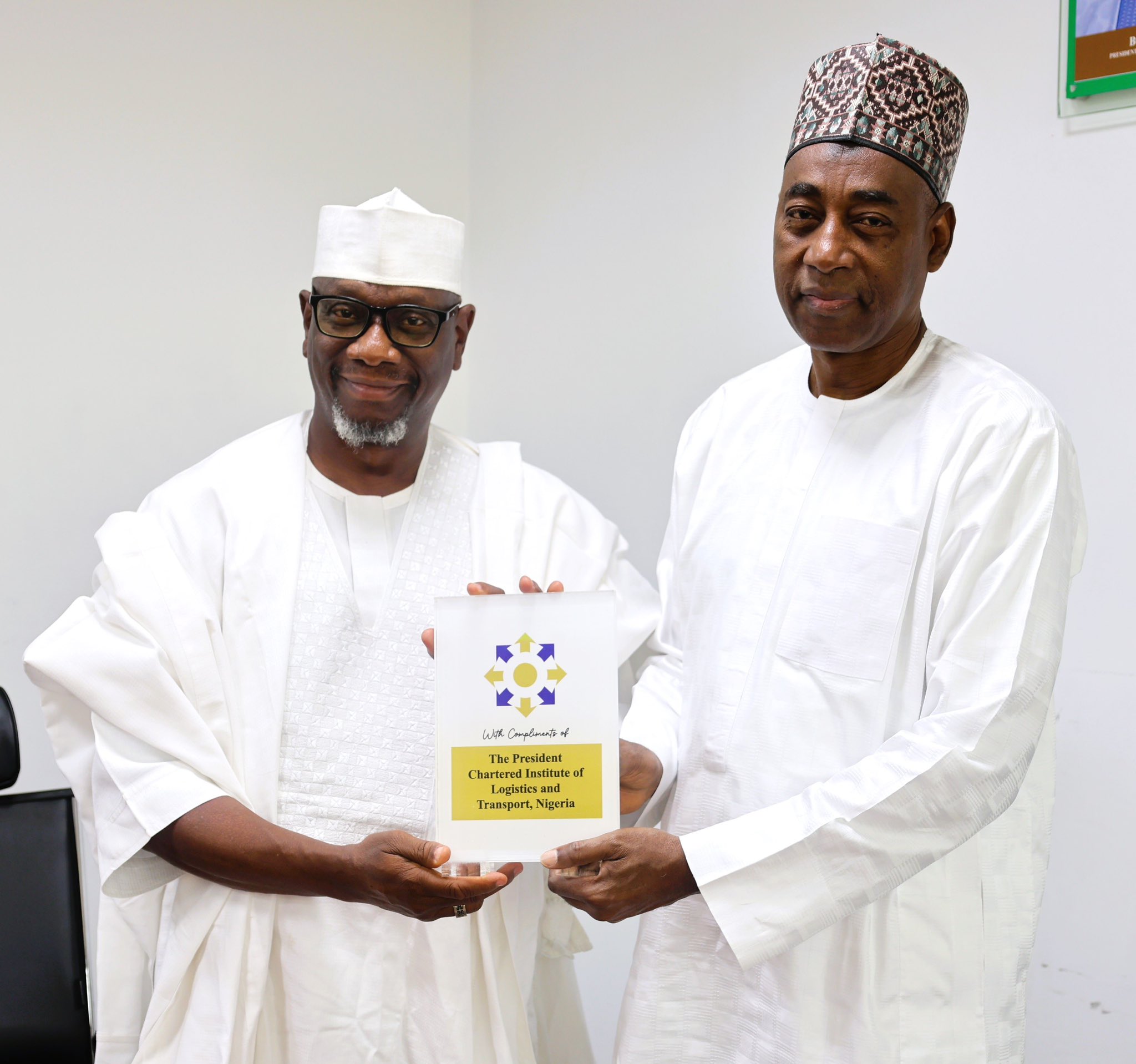
The appeal was made on Thursday, April 23, 2026, when Boboye Oyeyemi, President and Chairman of Council of CILT, led a delegation on a courtesy visit to the Executive Chairman of the EFCC, Ola Olukoyede, at the Commission’s corporate headquarters in Jabi, Abuja.
Oyeyemi emphasized the importance of collaboration in advocacy, particularly in promoting anti-corruption awareness within the transport and logistics sector. He noted that professional ethics, training, and integrity programmes for public transport operators could significantly enhance transparency and accountability. He further highlighted the need for joint research policies aimed at addressing vulnerabilities in logistics systems that may be exploited for financial crimes.
According to him, logistics and supply chain expertise play a critical role in effective investigations, stressing that most financial crime probes inevitably intersect with transportation systems. He proposed offering professional memberships of the Institute to EFCC staff, noting that such capacity-building measures could reduce investigative costs and improve operational efficiency.
Oyeyemi also suggested academic collaboration with the EFCC Academy, where members of the Institute could deliver lectures on logistics and transportation. He explained that exposing cadets to professional training in these areas before graduation would enhance their investigative capabilities while equipping them with relevant certifications.
Addressing challenges in Nigeria’s maritime sector, Oyeyemi decried delays in the clearance of goods at seaports, attributing them to logistical inefficiencies and systemic duplications. He warned that such bottlenecks negatively impact Nigeria’s global image and discourage potential investors.
Despite these challenges, Oyeyemi expressed optimism about a strong and mutually beneficial partnership between CILT and the EFCC, noting that both institutions share common values of integrity, professionalism, and national development.
Responding on behalf of the EFCC Chairman, the Commission’s Secretary, Mohammed Hammajoda, welcomed the delegation and commended their initiative. He acknowledged the existing logistics deficits and gaps in Nigeria’s multimodal transportation system, assuring that the EFCC is open to collaboration within the framework of its Establishment Act.
Hammajoda also extended an open invitation to the Institute to engage with the EFCC Academy, reaffirming the Commission’s readiness to partner in areas that would enhance professionalism and strengthen the fight against financial crimes in Nigeria.