CGC Adeniyi Seeks Inclusive Dialogue as Customs Opens Fresh Front with Beer Sectoral Group
ABUJA, NIGERIA – MAY 18, 2026
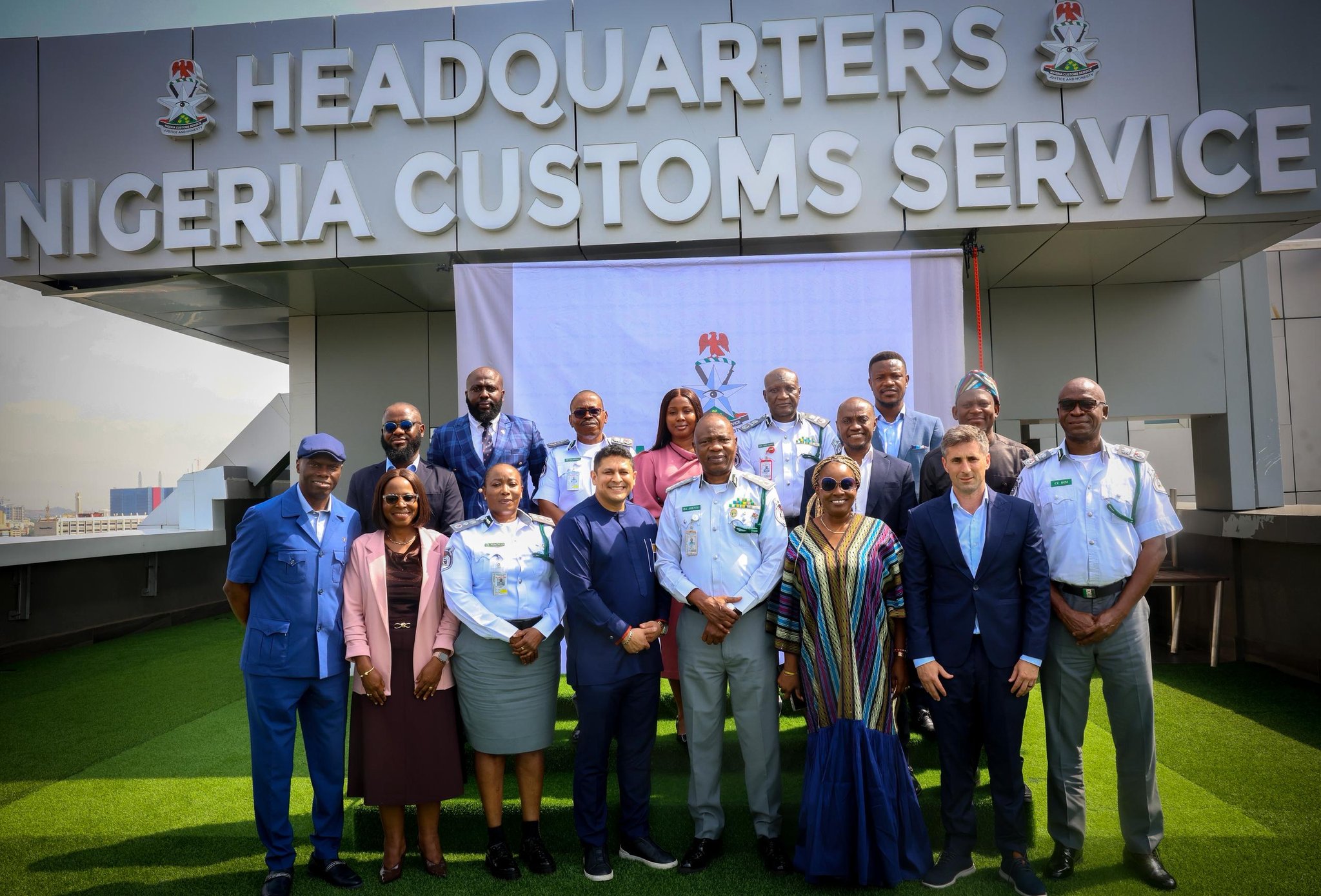
The Comptroller-General of Customs, Adewale Adeniyi, has called for stricter data validation and broader stakeholder engagement in ongoing fiscal and regulatory reforms as the Nigeria Customs Service (NCS) hosted the leadership of the Beer Sectoral Group at its headquarters in Maitama, Abuja.
The high-level engagement, held at the CGC’s Board Room, brought together senior executives from major brewing companies across the country to deliberate on tax administration, trade transparency, and concerns surrounding the proposed tax stamp policy currently under consideration by the Federal Government.
Addressing the delegation, CGC Adeniyi stressed that policy decisions affecting key sectors of the economy must be driven by verifiable data and a proper understanding of market realities.
“We need to have a clear understanding of what constitutes illicit trade. Some of these products are legitimately manufactured in Nigeria. In other jurisdictions, customs administrations are already engaging in discussions around how such products find their way across borders and into unauthorised markets,” he said.
The Customs boss maintained that while government reforms aimed at improving revenue assurance and compliance remain important, the integrity of industry data presented to policymakers must not be compromised.
“One thing we need to understand more clearly is where some of these estimates came from. When we are making policy decisions of this nature, the credibility and accuracy of data must never be in doubt,” Adeniyi added.
He also highlighted several reforms introduced by the Service to improve trade facilitation and reduce bottlenecks within the supply chain.
“We have consistently introduced initiatives aimed at facilitating trade. We introduced the Advance Ruling. We introduced the Authorised Economic Operator programme. We also rolled out several reforms on our own initiative, not because we were under pressure, but because we recognised the need to improve trade facilitation,” he said.
On the proposed tax stamp policy, the CGC clarified that consultations are still ongoing and that no final implementation decision has been reached.
“As far as I am concerned, consultations are still ongoing. If this initiative is legitimate and beneficial, then we all have a responsibility to ensure that we are heading in the right direction,” he stated.
Adeniyi urged private-sector stakeholders to sustain engagement with relevant government institutions to ensure policies achieve a balance between revenue protection and industrial growth.
Earlier, the leader of the delegation and Chief Executive Officer of Guinness Nigeria Plc, Girish Sharma, said the industry had presented its concerns over the proposed tax stamp framework, which has sparked intense debate within the sector.
According to Sharma, while the beer industry recognises the importance of tax stamps in sectors vulnerable to counterfeiting, the beer sector remains one of the most structured and tightly regulated industries in Nigeria, with minimal exposure to counterfeit products.
“We fully understand the purpose and importance of tax stamps, particularly in industries where counterfeiting is a major concern. However, within the beer sector, counterfeiting is minimal,” Sharma said.
He further noted that existing monitoring mechanisms already provide adequate transparency across production and distribution chains.
“From an end-to-end compliance perspective, we believe there is already sufficient transparency and oversight,” he added.
Sharma also highlighted the sector’s contribution to employment generation, tax revenue, and national economic output, warning that additional regulatory burdens could create unintended economic consequences if not carefully implemented.