Extreme Heat as Sallah Closes In: A Universal Hustle Livestock Traders Know Too Well
KANO, NIGERIA — MAY 18, 2026
As preparations for Eid-al-Adha gather momentum across Northern Nigeria, livestock traders are battling not only rising market demands but also intense heatwaves threatening the survival of their animals.
A recent image of a livestock vendor bathing his sheep near the Rawal Dam in Islamabad has resonated strongly with many traders and herders across Nigeria, where similar scenes are unfolding daily under blistering temperatures ahead of the annual Sallah celebrations.
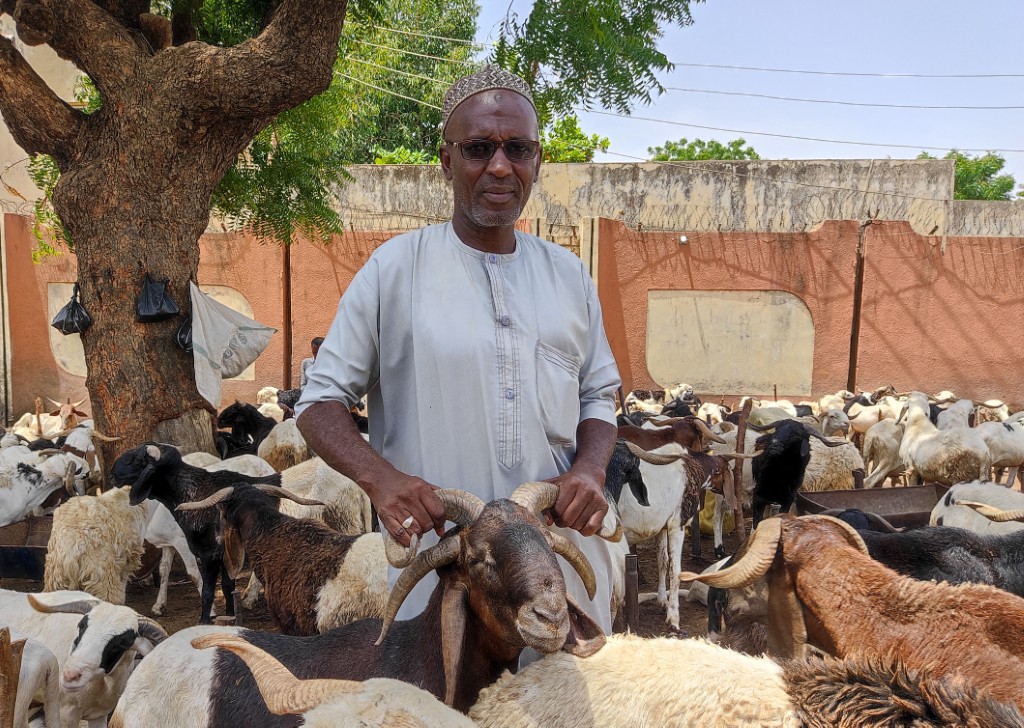
From Kano to Sokoto, Kaduna to Maiduguri, traders say the soaring heat has become one of the biggest challenges of the season. With temperatures climbing above normal levels in many northern states, keeping rams, goats, and cattle healthy has turned into a constant struggle.
Many livestock sellers now spend extra money on water, shade, and transportation to reduce stress on the animals before they reach buyers. Some traders have resorted to bathing their animals regularly, moving them only during cooler hours, and improvising shelters at crowded markets to prevent dehydration and heat exhaustion.
For many, the harsh weather is more than just discomfort — it directly affects business. Weak or dehydrated animals lose value quickly, while deaths linked to extreme heat can wipe out profits entirely.
Traders say the situation reflects a growing climate challenge affecting livestock markets across regions heavily dependent on animal trading during religious festivities.
Despite the difficult conditions, markets remain busy as Muslims prepare for the Eid-al-Adha sacrifice, popularly known in Nigeria as “Layya” or “Barkar Sallah.” Buyers continue to troop into major livestock hubs searching for healthy animals, while traders work tirelessly to keep them alive and market-ready.
Observers say the scenes unfolding in Northern Nigeria and Pakistan highlight a shared reality among livestock communities worldwide — adapting to increasingly extreme weather conditions while trying to sustain livelihoods tied to religious and cultural traditions.
With Sallah only weeks away, traders hope for cooler days ahead, even as many brace for more intense heat in the coming years.