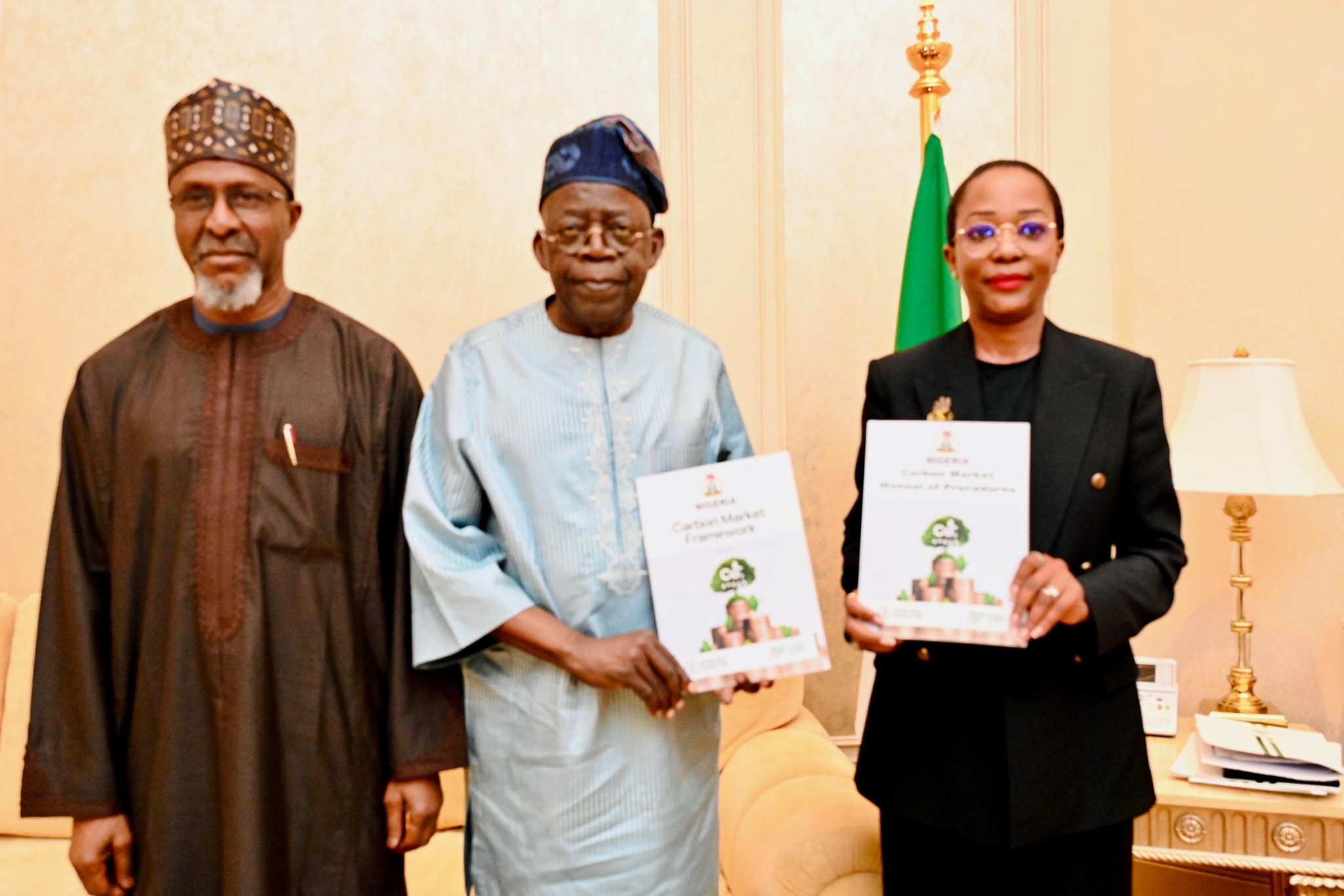
Nigeria Launches Its Carbon Market Framework
Abu Dhabi, United Arab Emirates — January 2026
Nigeria has officially launched its Carbon Market Framework, marking a significant milestone in the country’s climate action agenda and positioning Africa’s largest economy as an emerging force in the global green economy.
The announcement was made on the sidelines of the Abu Dhabi Sustainability Week, a leading international platform that brings together global leaders, investors, and innovators to advance climate solutions and sustainable development.
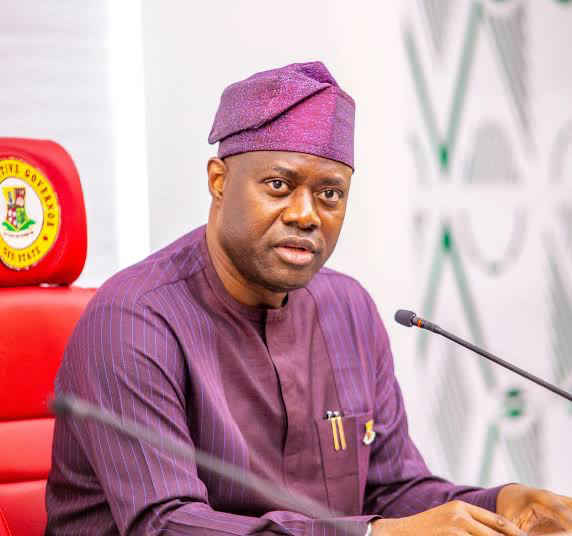
Speaking at the event, the National Council on Climate Change (NCCC), led by its Director General, Mrs. Omotenioye Majekodunmi, explained that the newly launched framework establishes a clear regulatory and institutional structure for carbon trading in Nigeria. The framework provides certainty for market participants and enables both local and international investors to finance and develop climate-smart projects that generate verified carbon credits while supporting sustainable development goals.
Mrs. Majekodunmi described the framework as a strong signal to the global community that Nigeria is now “open for climate business.” She noted that the country’s carbon market has the potential to attract more than $3.8 billion in annual investment, unlocking new financing streams for renewable energy, forestry, clean cooking, climate-smart agriculture, and other low-carbon initiatives.
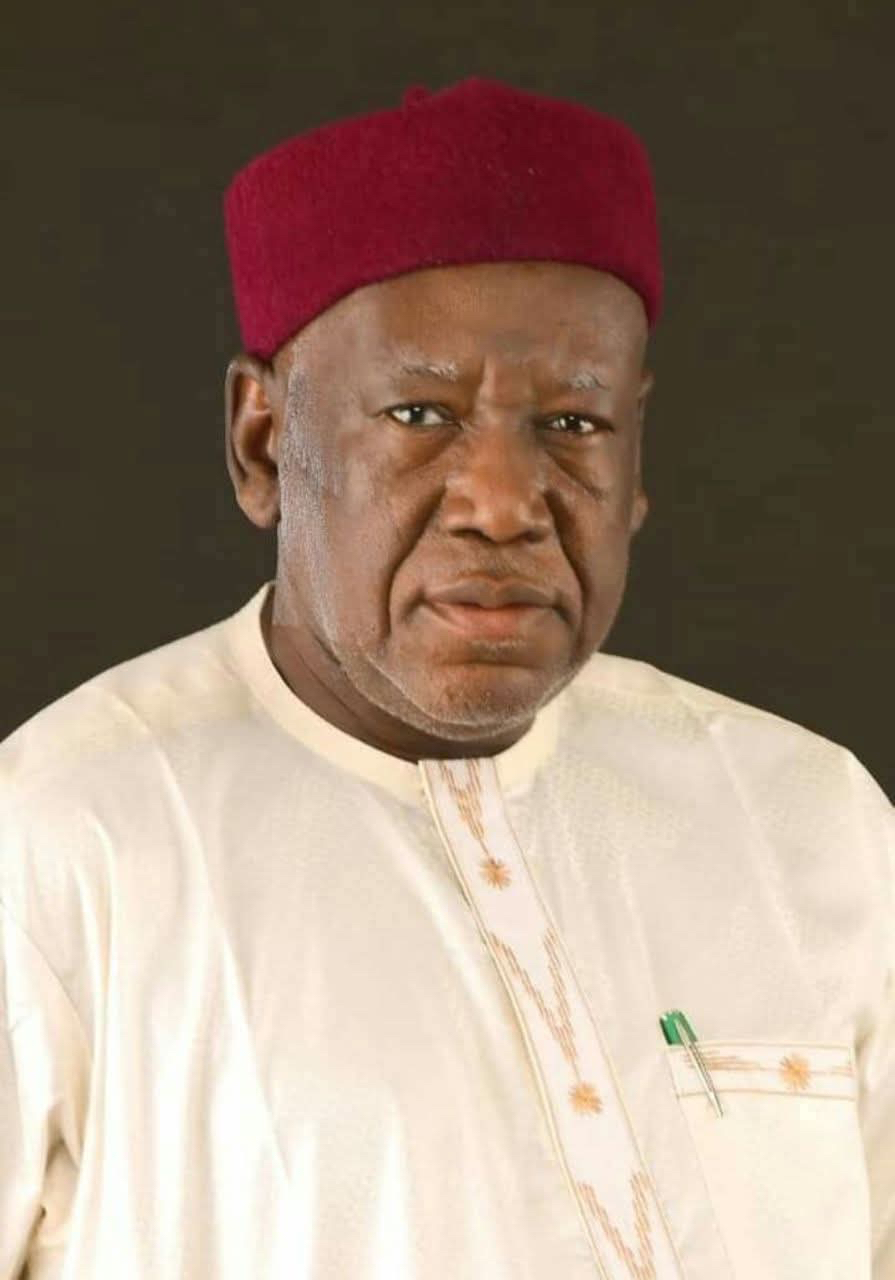
The Minister of Environment, Balarabe Abbas Lawal, emphasized that Nigeria’s active participation at Abu Dhabi Sustainability Week reflects the Federal Government’s commitment to strengthening international partnerships, particularly with the United Arab Emirates. According to the Minister, these partnerships are critical for advancing technology transfer, innovation, and local capacity building in key sectors such as clean energy, climate-smart agriculture, and climate-resilient infrastructure.
He added that the carbon market framework aligns with Nigeria’s broader climate commitments under the Paris Agreement and supports the country’s transition toward a low-carbon, climate-resilient economy.
With the launch of the Carbon Market Framework, Nigeria is poised to transform climate action into a powerful economic opportunity—creating jobs, attracting foreign and domestic investment, and driving sustainable development across communities nationwide.