PDP Appeal: Supreme Court Reserves Final Judgment
Abuja, Nigeria April 23, 2026
The Supreme Court of Nigeria has reserved judgment in the appeal filed by the Peoples Democratic Party (PDP), marking a significant development in the ongoing legal proceedings.
The appeal, which has drawn considerable attention within political and legal circles, lists Sule Lamido, the Independent National Electoral Commission (INEC), Austin Nwachukwu, and two others as respondents.
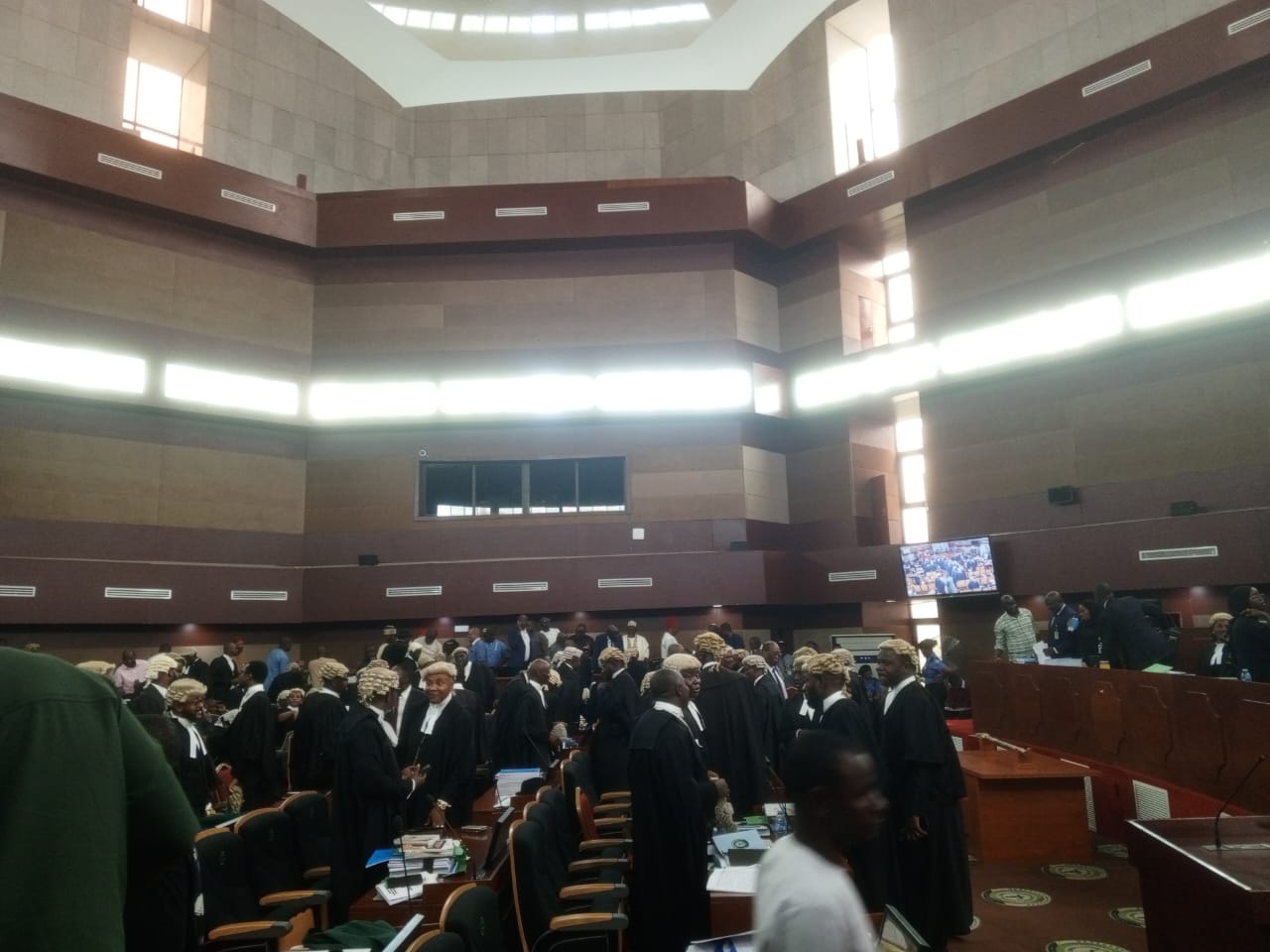
Proceedings at the apex court culminated in the reservation of judgment following the regularisation of all necessary processes and the hearing of the substantive appeal. During the session, counsel to the parties adopted their respective briefs of argument and presented final submissions, urging the court to rule in their favour based on points of law and established precedents.
The case is understood to revolve around critical issues affecting party structure, internal processes, and electoral considerations, further underscoring its importance to the broader democratic framework. Legal observers note that the outcome of the appeal could have far-reaching implications, not only for the parties directly involved but also for the interpretation of relevant electoral and constitutional provisions.
By reserving judgment, the Supreme Court has signaled that it will take time to carefully review the arguments, evidence, and applicable laws before delivering its final decision. This stage is a standard judicial practice, particularly in matters of significant legal complexity and national interest.
The pending judgment is expected to provide clarity on the issues raised in the appeal and may set important precedents for future political and electoral disputes in Nigeria. Stakeholders, including party members, legal practitioners, and political analysts, are now awaiting the court’s pronouncement, which will ultimately determine the direction and resolution of the case.
As the nation awaits the final verdict, the development reinforces the pivotal role of the judiciary, particularly the Supreme Court of Nigeria, in upholding the rule of law and ensuring the orderly resolution of disputes within Nigeria’s democratic system.